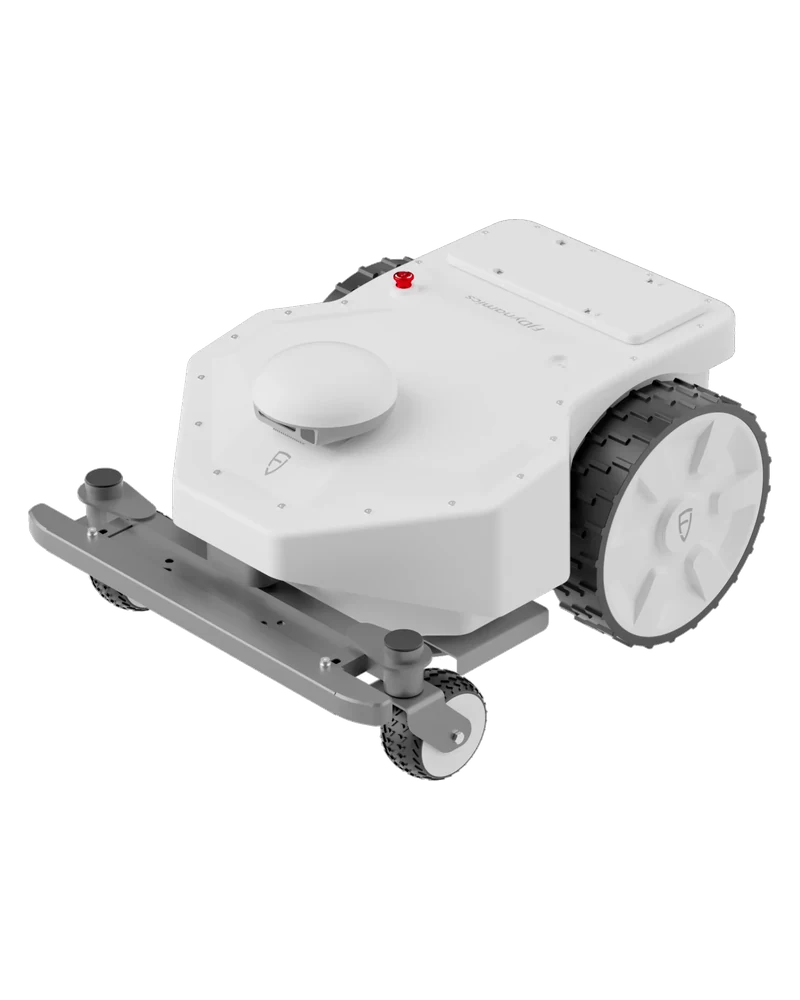
 FRX
FRX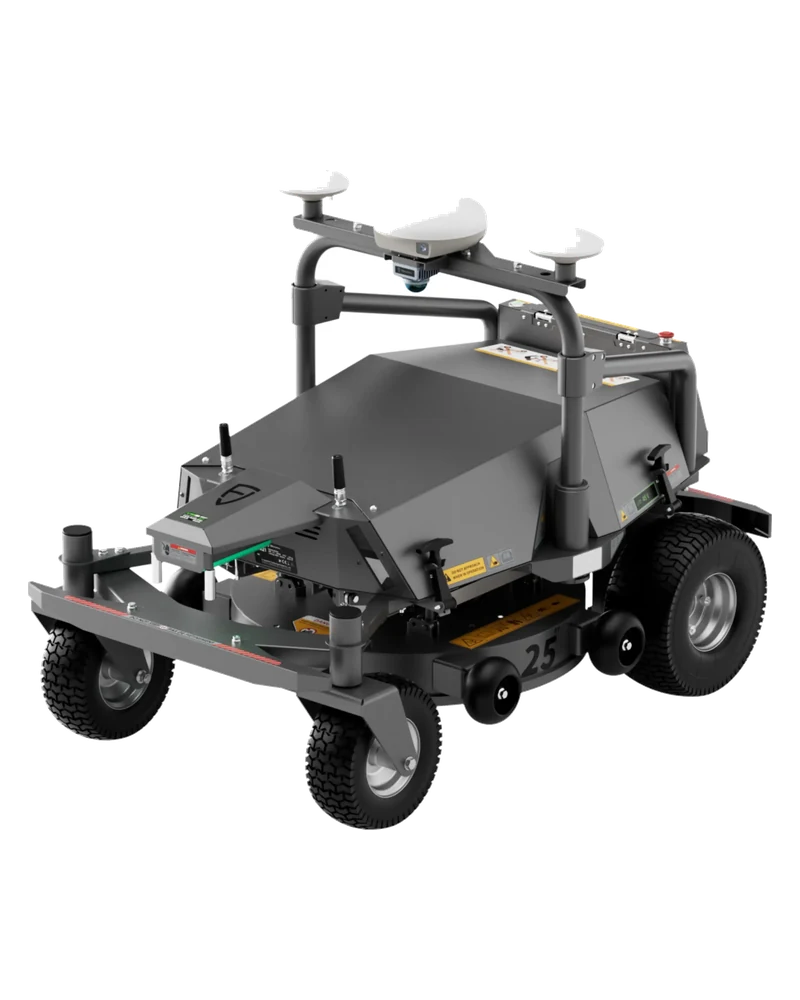 RM21
RM21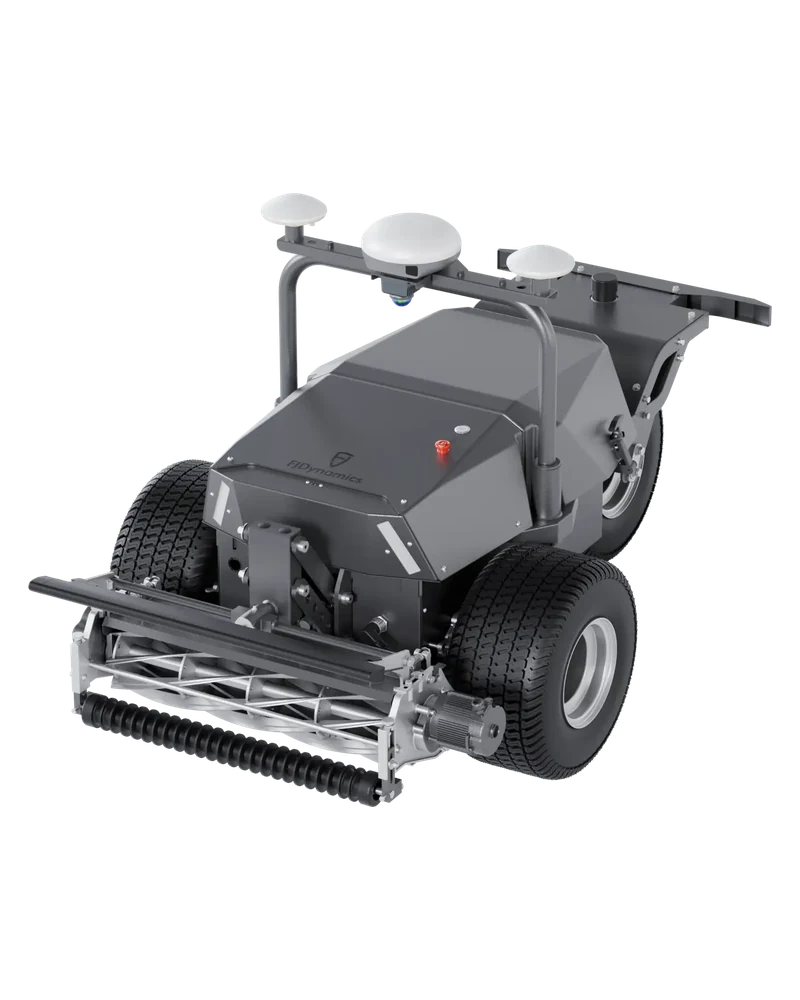 RCM01
RCM01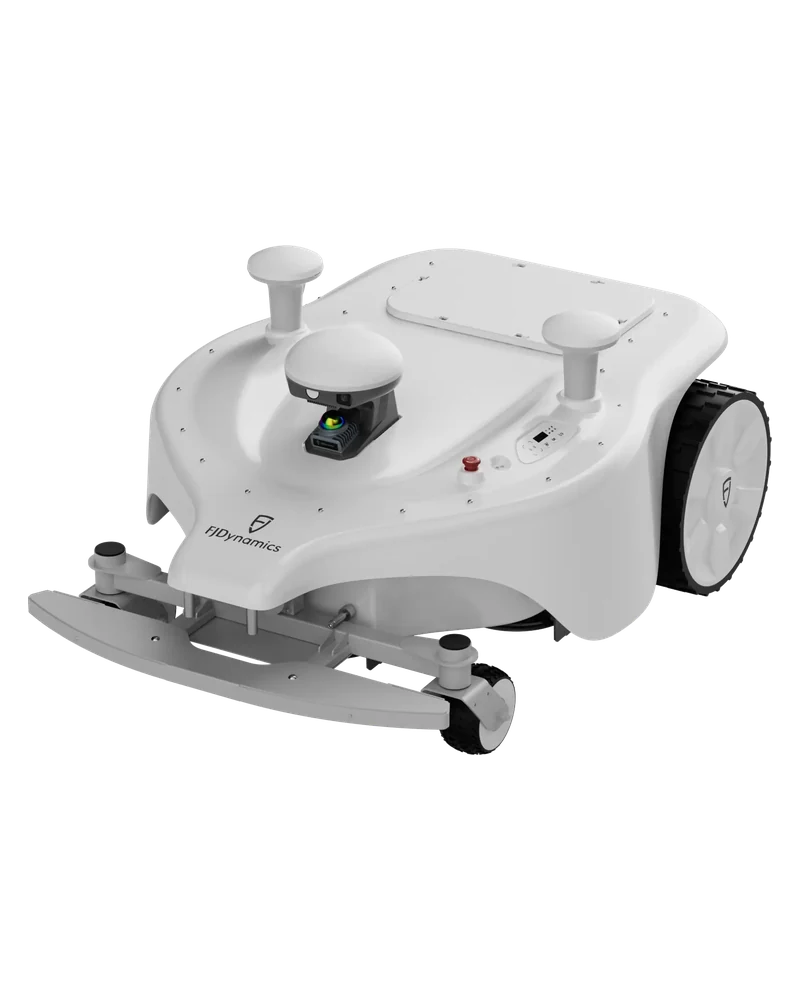 Titan
Titan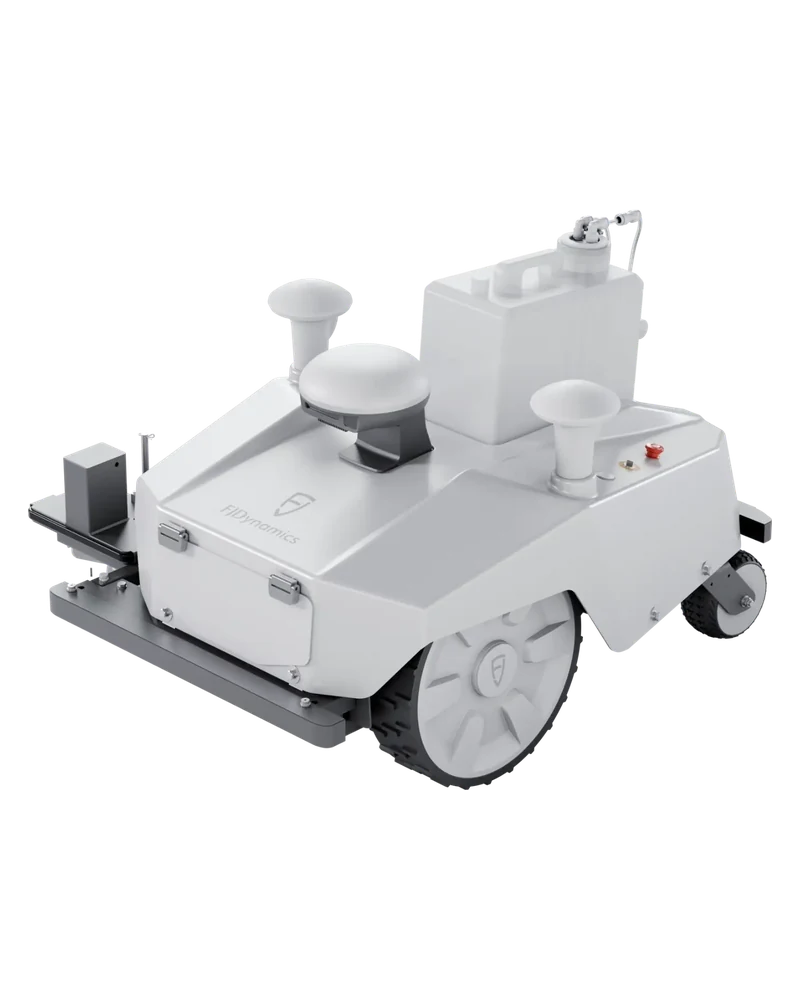 PaintMaster
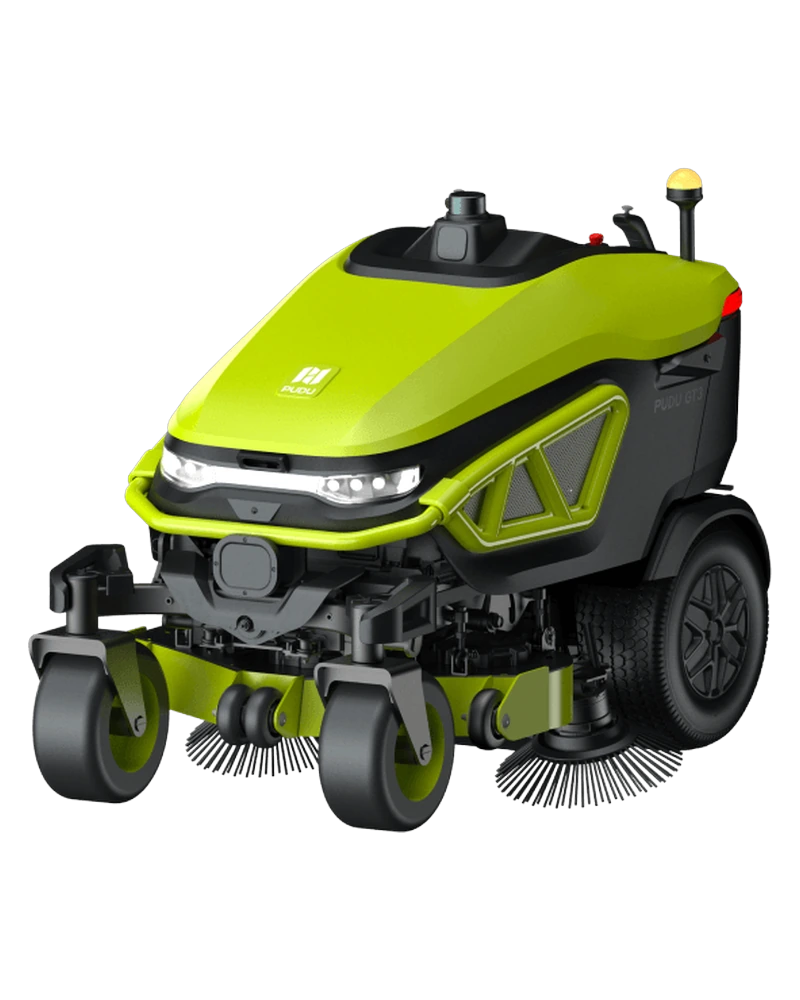 GT3
GT3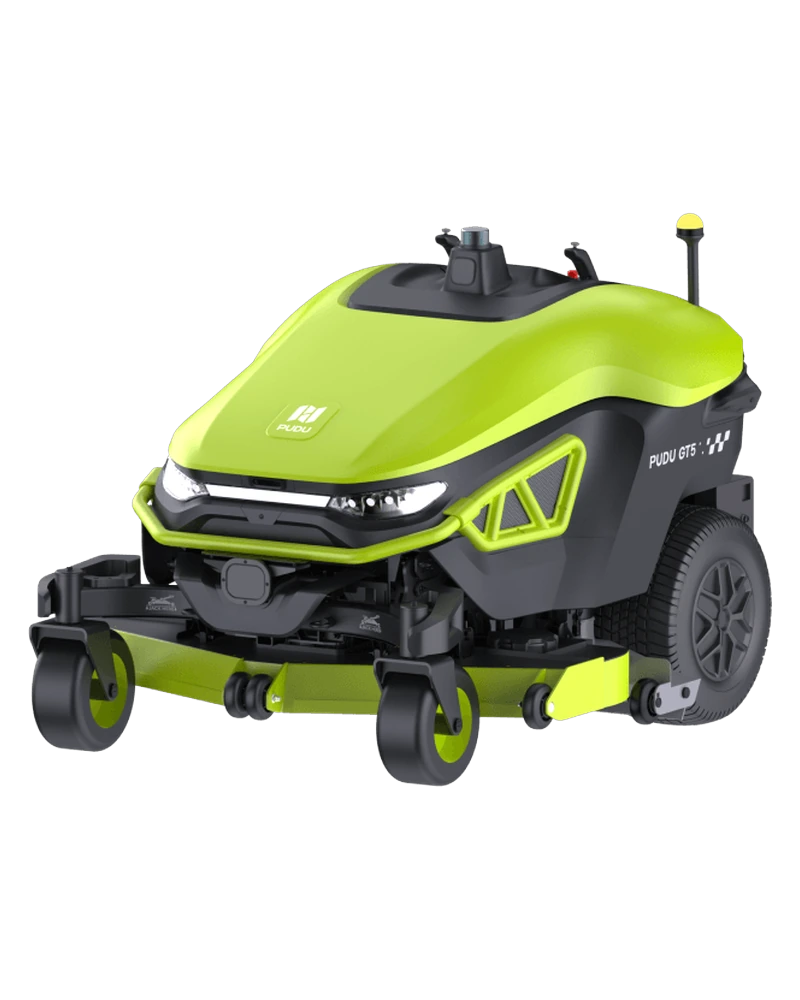 GT5
GT5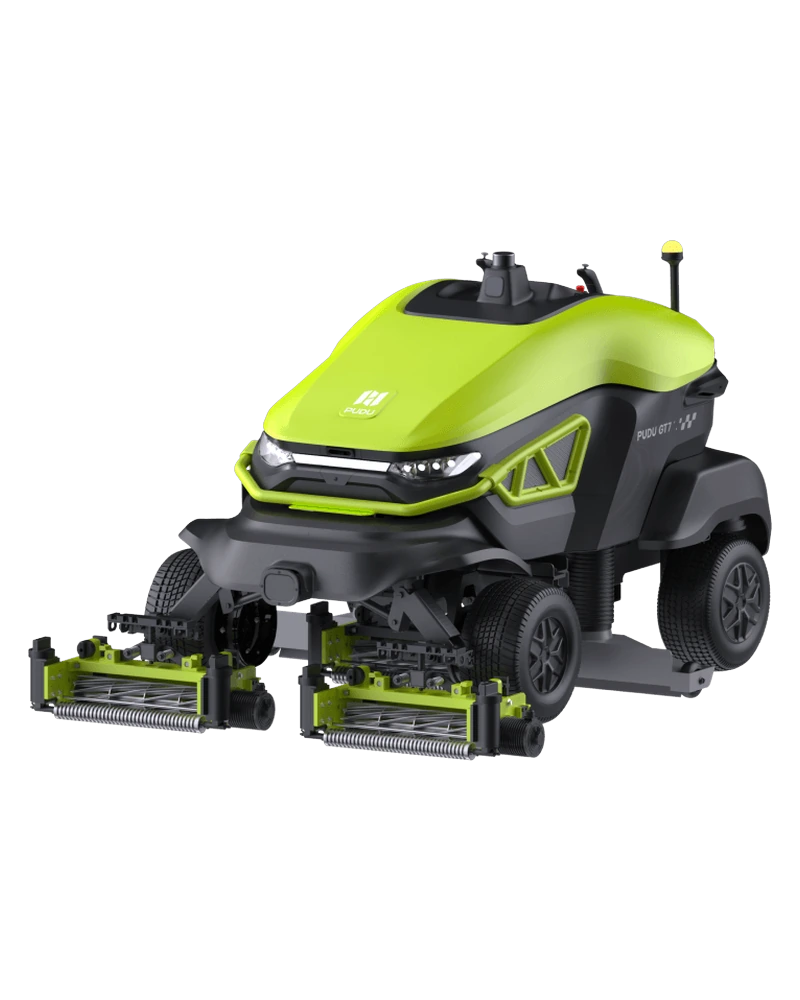 GT7
GT7FRX
- Cut width
- 520 mm
- Area per charge
- 8,000 m²
- Slope
- 25° working
- Best for
- Ovals, reserves, golf roughs, strata commons

Autonomous mowing, line marking and grounds care from $50 a day. We supply and service FJ Dynamics and PUDU robotic mowers across WA — councils, schools, golf clubs, mining villages, strata and landscapers — surveyed, deployed and serviced from Perth, not the east coast.
Landscape gardeners are on the national Occupation Shortage List, more than a quarter of employers who advertise receive no suitable applicants, and the turf industry's own association is lobbying government about the skills shortage. Meanwhile the ovals, verges, fairways and village grounds still need cutting every week, and the contract price creeps up every year.
An autonomous mower changes the maths because you stop paying per visit and start paying per cut. A contractor cuts a typical oval once a week for $120 to $250 a visit; the FRX cuts it every day for about $50 a cut. Daily cutting means the site always looks freshly mowed, clippings are short enough to disappear, and your remaining grounds labour goes to edges, gardens and repairs instead of hours on a ride-on. The full cost breakdown is in what oval mowing costs in Perth.
This is mowing as a service, run the same way we run our commercial cleaning fleet: the robot, blades, software, monitoring and WA-based service on one predictable rate, with the robot matched to the site rather than sold off a price list.
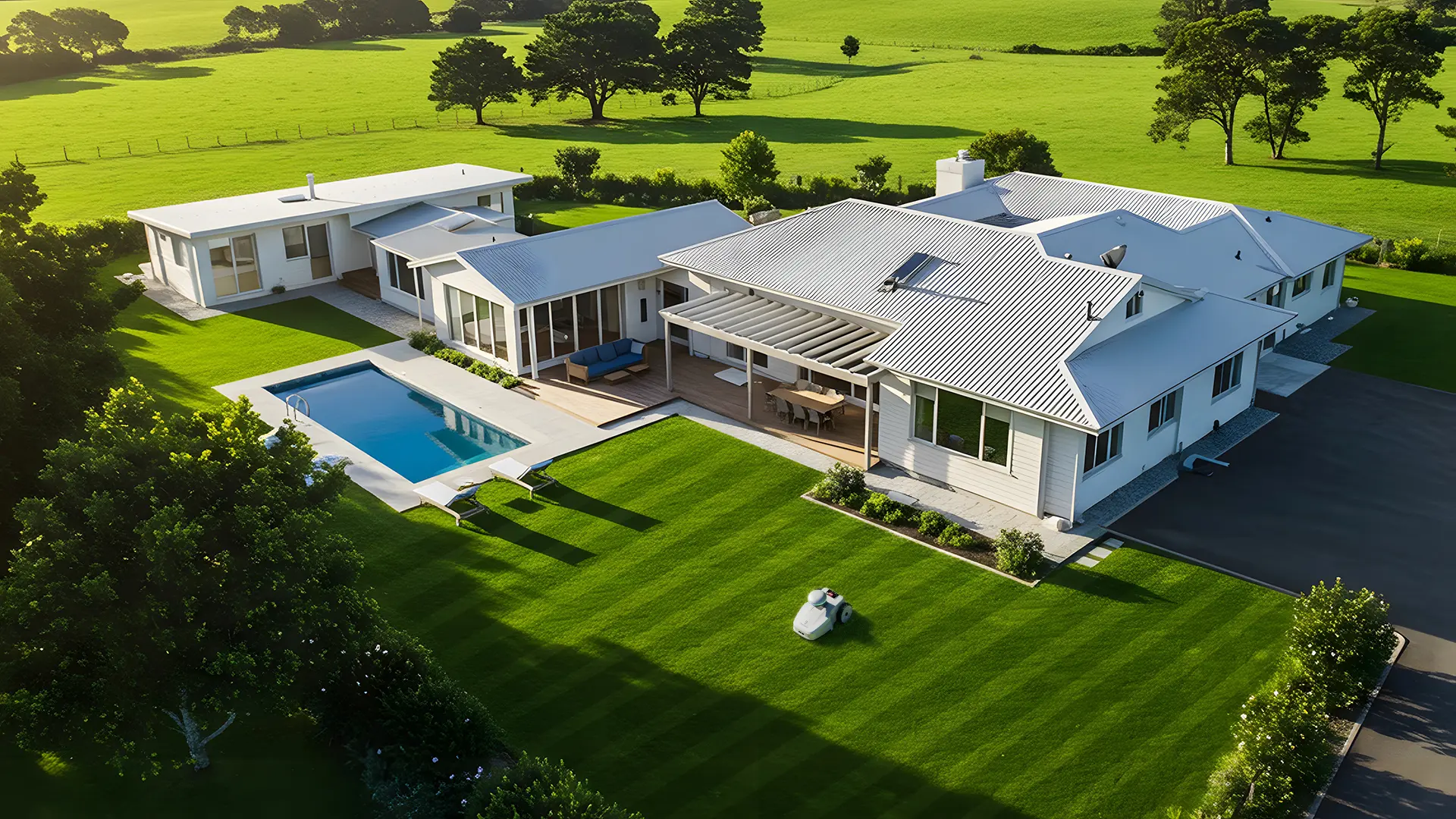
Every unit is an FJ Dynamics robot running centimetre-level RTK navigation and the same GreenMaster fleet platform, so one site survey and one dashboard cover mowing and marking together. We match the unit to the site, and we say so when a site doesn't suit one.
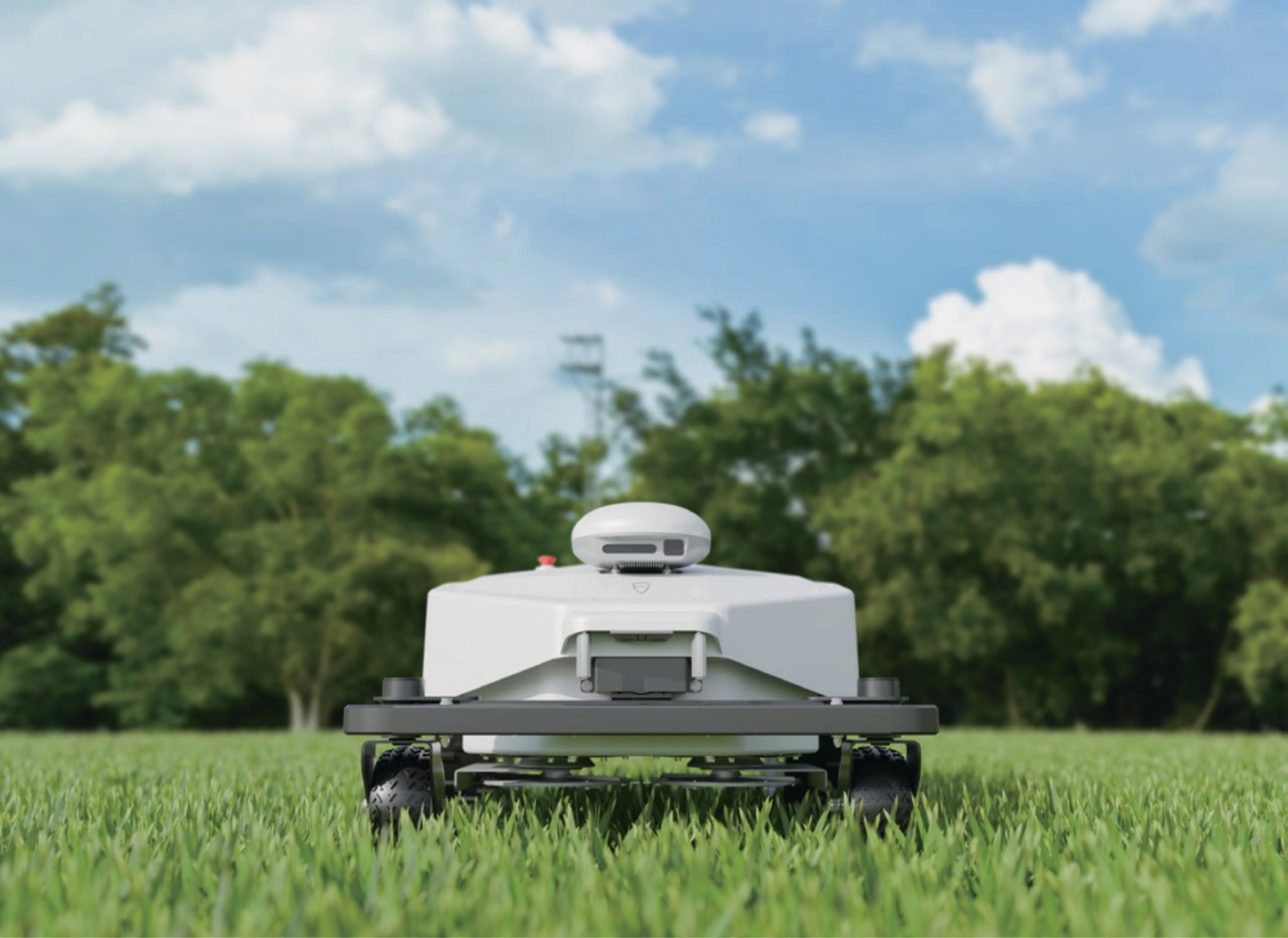
520 mm cut · 8,000 m²/charge · 25° slope · IPX5
The lead mower, from $50 a day. Cuts 10–100 mm, works slopes to 25°, and covers up to 20,000 m² a day on auto-charging. Ovals, reserves, golf roughs and strata commons.
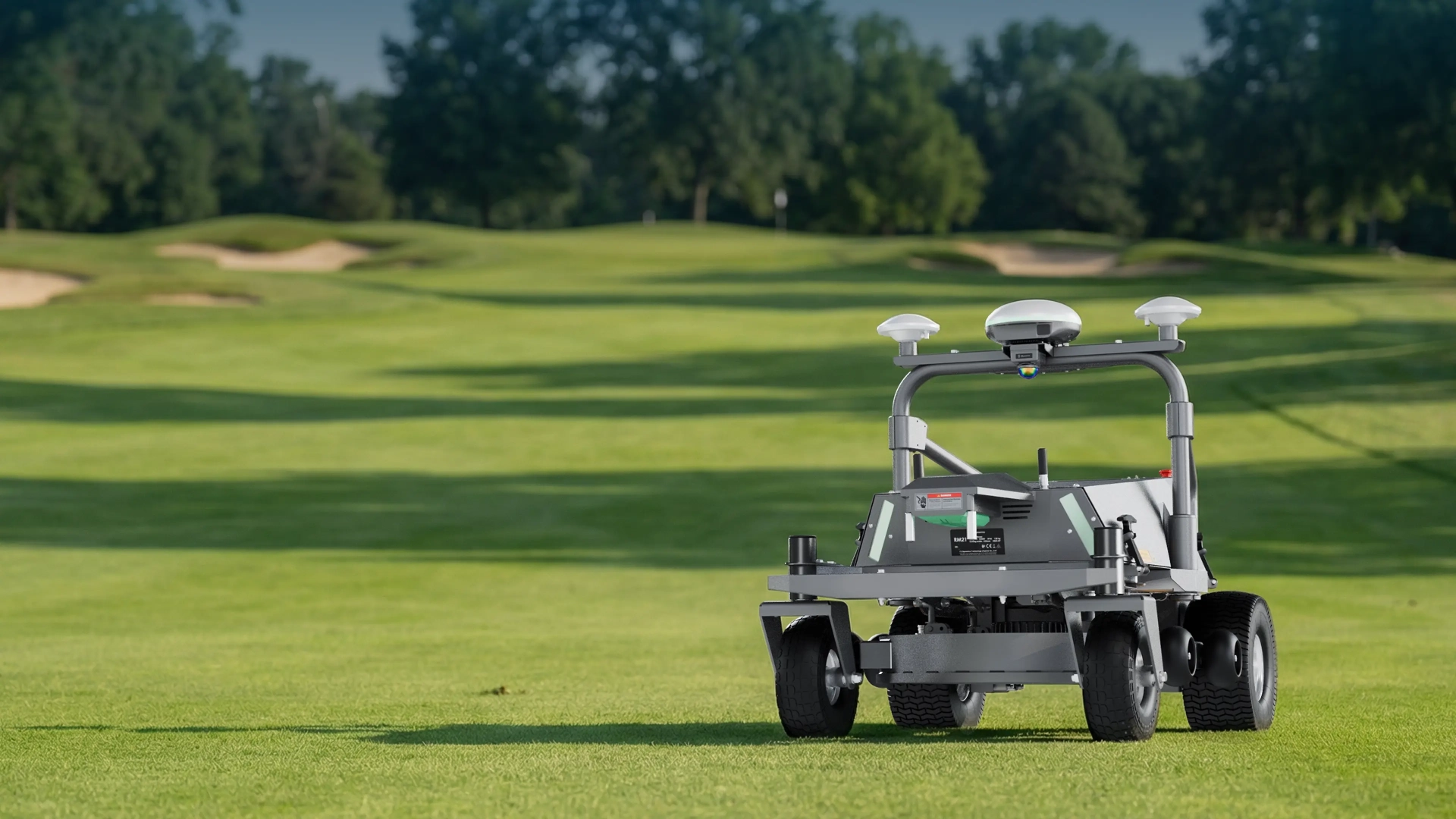
635 mm cut · 12,000 m²/charge · 360° LiDAR
One chassis, four jobs: mow, line-mark, ball-pick and grass-collect. Cuts 20–127 mm, the highest in the range, which suits WA kikuyu and couch ovals. The schools and councils multi-tool.
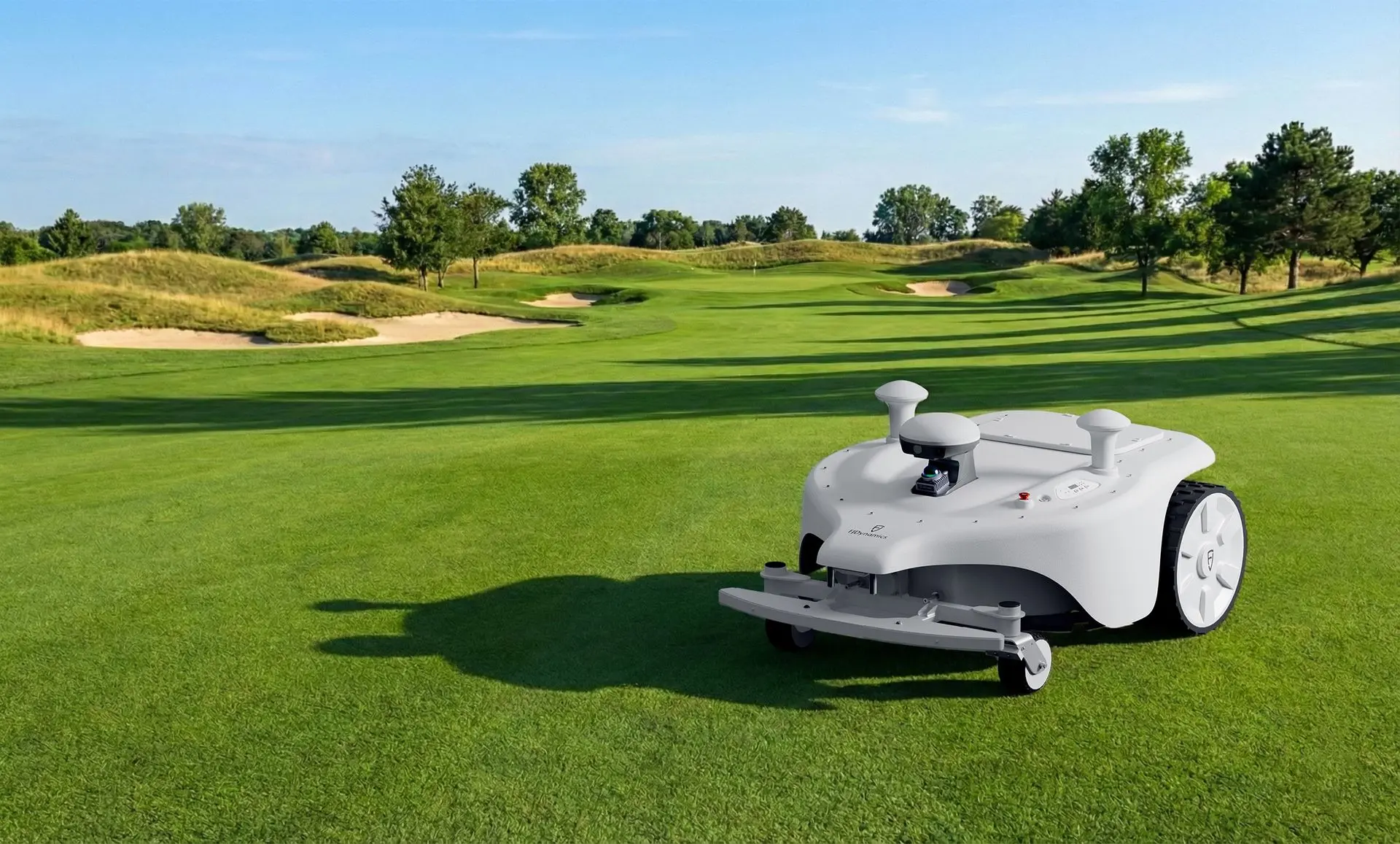
730 mm cut · 18,000 m²/charge · rated 0–55°C
The large-area unit: 108,000 m² over 72 hours on auto-charging, dual-RTK with LiDAR and vision, and the only mower in the range rated to 55°C. Big precincts and mining villages.
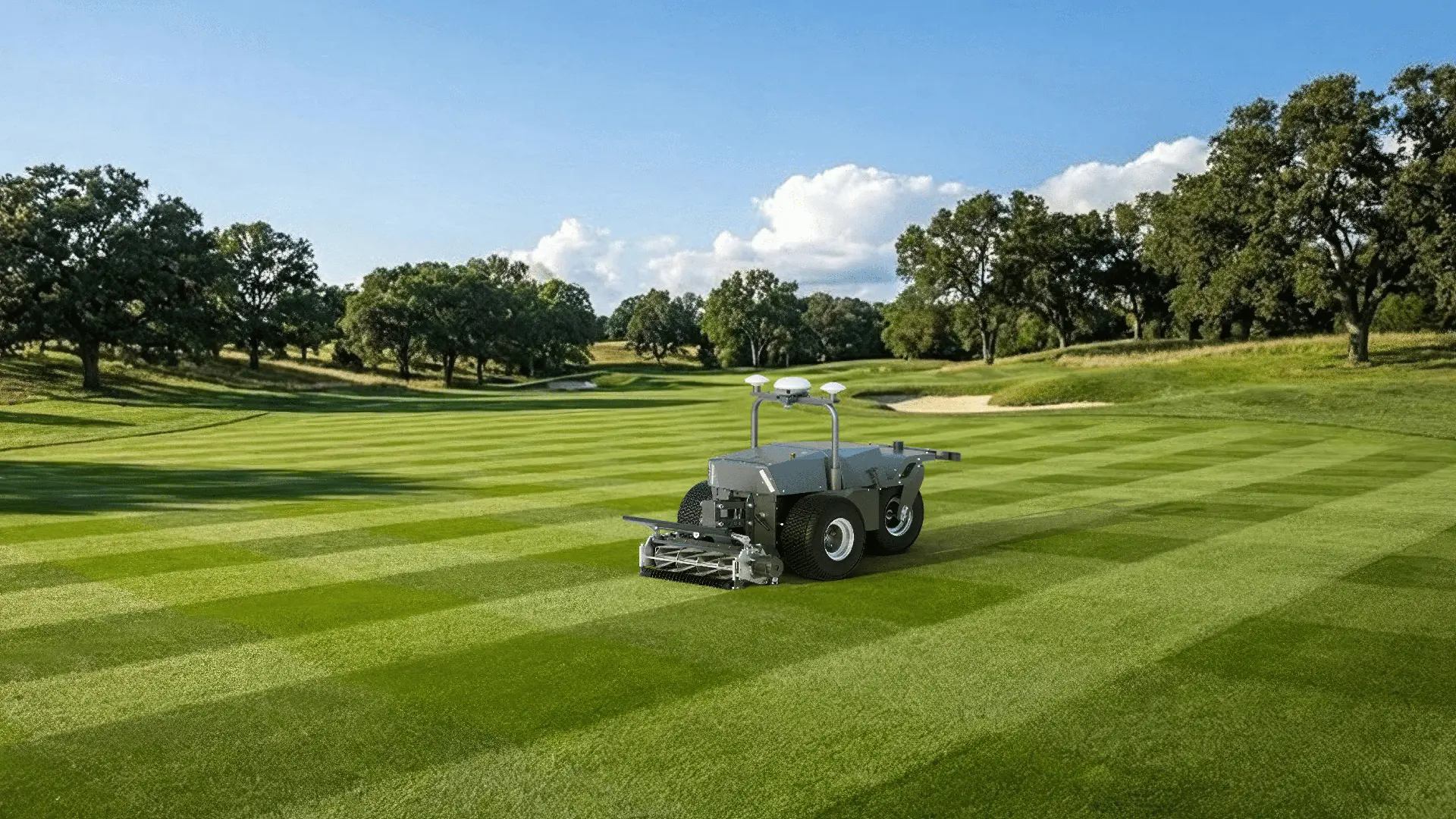
686 mm reel · 3,000 m²/h · under 75 dB
The golf specialist: a robotic cylinder mower cutting 7–44 mm for fairway presentation, with a 10 hour runtime and customisable striping. Pairs with GolfMind course mapping.
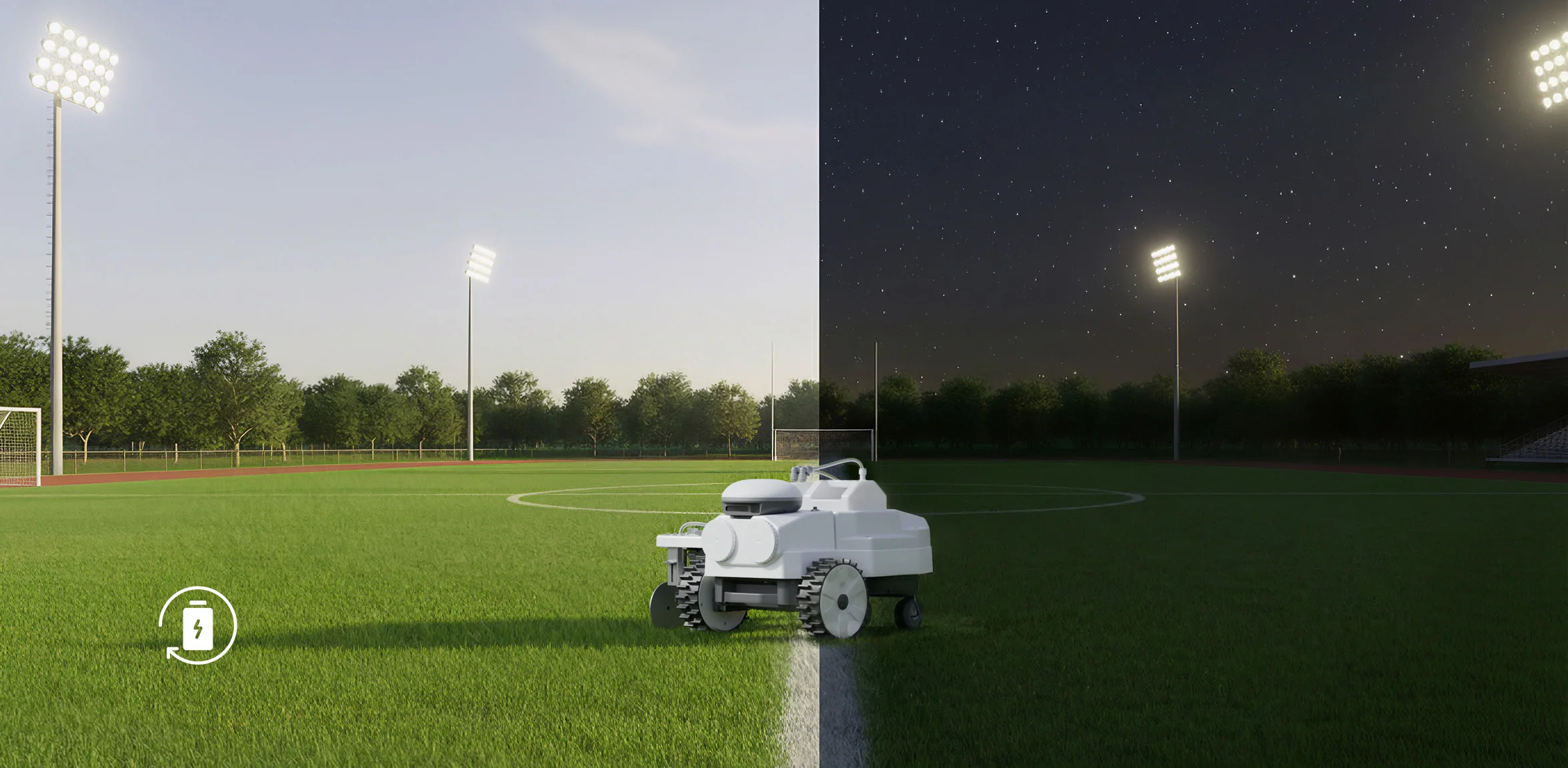
Line marking · 5–17 cm lines · RTK + vision
Line-marking robots for pitches and ovals. The Pro marks a full pitch in about 30 to 40 minutes; the Mini suits single-campus schools. Own the robot instead of paying per marking, or bundle it with mowing.
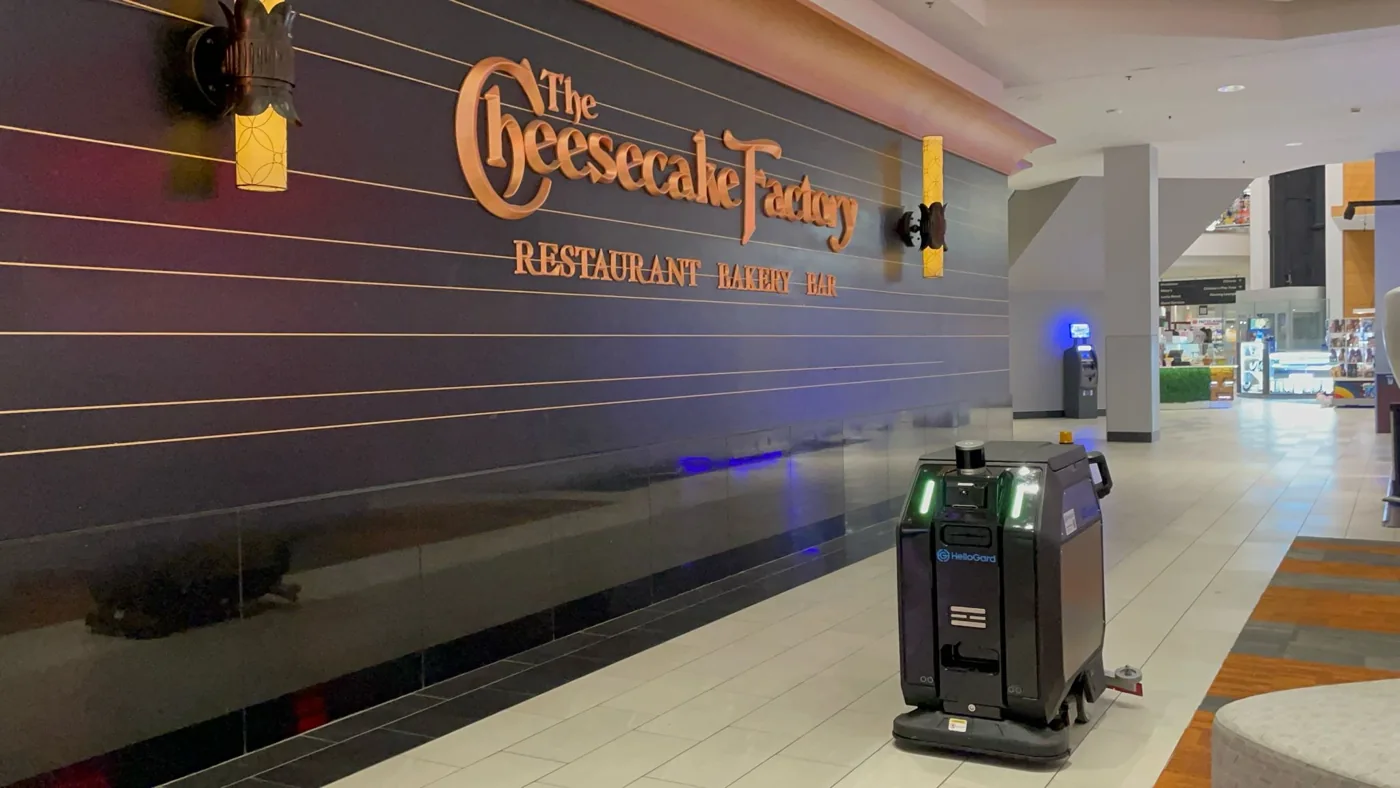
The mowing fleet runs on the same service model as our commercial cleaning robots: one supplier, one dashboard discipline, WA-wide. See the cleaning fleet →
| Unit | Cut width | Area per charge | Slope | Best for |
|---|---|---|---|---|
| FRX | 520 mm | 8,000 m² | 25° working | Ovals, reserves, golf roughs, strata commons |
| RM21 | 635 mm | 12,000 m² | 15° working, 20° climb | Schools and councils: mow, mark, collect on one chassis |
| Titan | 730 mm | 18,000 m² | 20° working | Large precincts and mining villages, rated 0–55°C |
| RCM01 | 686 mm reel | 30,000 m² | 15° mowing, 20° climb | Golf fairways and reel-cut presentation turf |
| GT3 PUDU | 910 mm | Confirmed at survey | Confirmed at survey | Mixed turf and paths: mows, collects and sweeps on one platform |
| GT5 PUDU | 1,520 mm | 65,000 m² | Confirmed at survey | Parks, campuses and reserves at about 8,090 m²/h, collecting as it cuts |
| GT7 PUDU | 1,600 mm triplex reel | Confirmed at survey | 30° climb | Golf and sports turf: RTK to ±2.5 cm, four-wheel drive |
Figures are FJ Dynamics' published numbers. The PaintMaster markers paint lines rather than cut, so they sit outside this table; site-specific coverage and slope limits are confirmed at the survey.
PUDU Robotics launched its GT commercial mowers in September 2026, and as WA's authorised PUDU reseller and service centre we are taking order enquiries now. Same model as the FJD units: surveyed, mapped, deployed and serviced from Perth.
For large residential grounds, small strata commons and other areas up to about 4,000 m², we supply two compact FJD units. Purchase only, no subscription, quoted on enquiry.
FR4000 in action: Aussie mowing season
The same deployment discipline as our cleaning fleet, tuned for turf. Most sites go from site walk to first cut in a few weeks.
We walk the site, measure areas and slopes, and map tree cover and RTK sky view. This is where we confirm the site suits a robot, and say so if it doesn't.
We set up RTK positioning, from an on-site base or a CORS station covering a 30 km radius, then draw virtual boundaries, mowing zones and no-go areas in software. No buried wire.
We commission the unit, set cut heights and schedules, site the charging dock (under shelter where the model needs it) and train your team on the app.
The fleet runs on schedule and reports through GreenMaster: live tracking, multi-zone dispatch and work records across sites. We monitor it, service it and swap the blades.
Five WA buyer groups carry most of the state's turf, and each has a different version of the same labour problem.
WA councils tender out mowing of parks, reserves, ovals and verges at scale, and the contract price rises every renewal. No WA council runs robotic mowing yet: a daily cut at a per-cut price is a first-mover line item, with crews redeployed to gardens and repairs. Read the council brief →
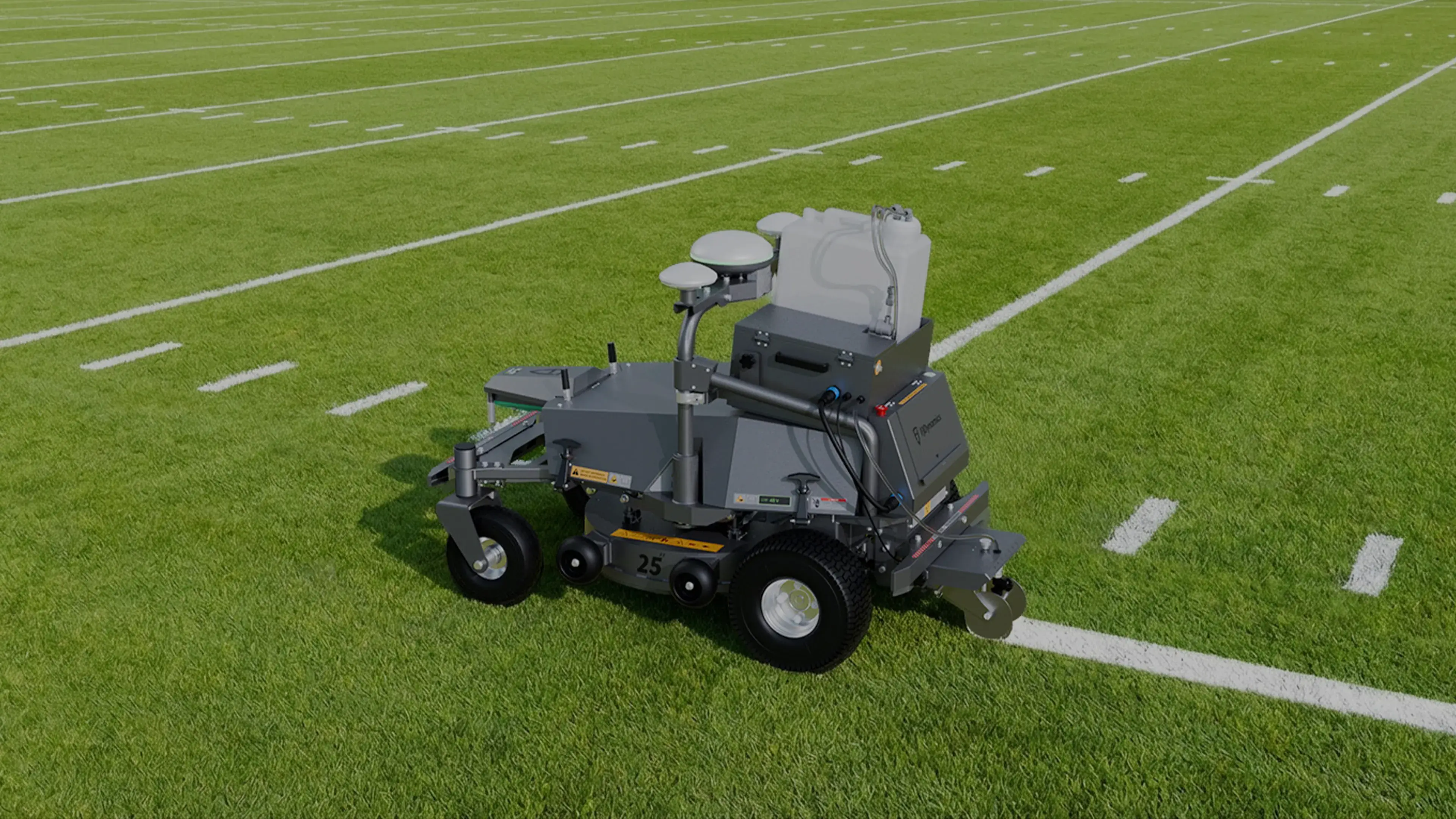
Oval mowing has to happen outside school and training hours, and weekly line marking is a second labour bill on top. One mow-and-mark package covers both, with the RM21 cutting to 127 mm for kikuyu and couch and marking with the same chassis.
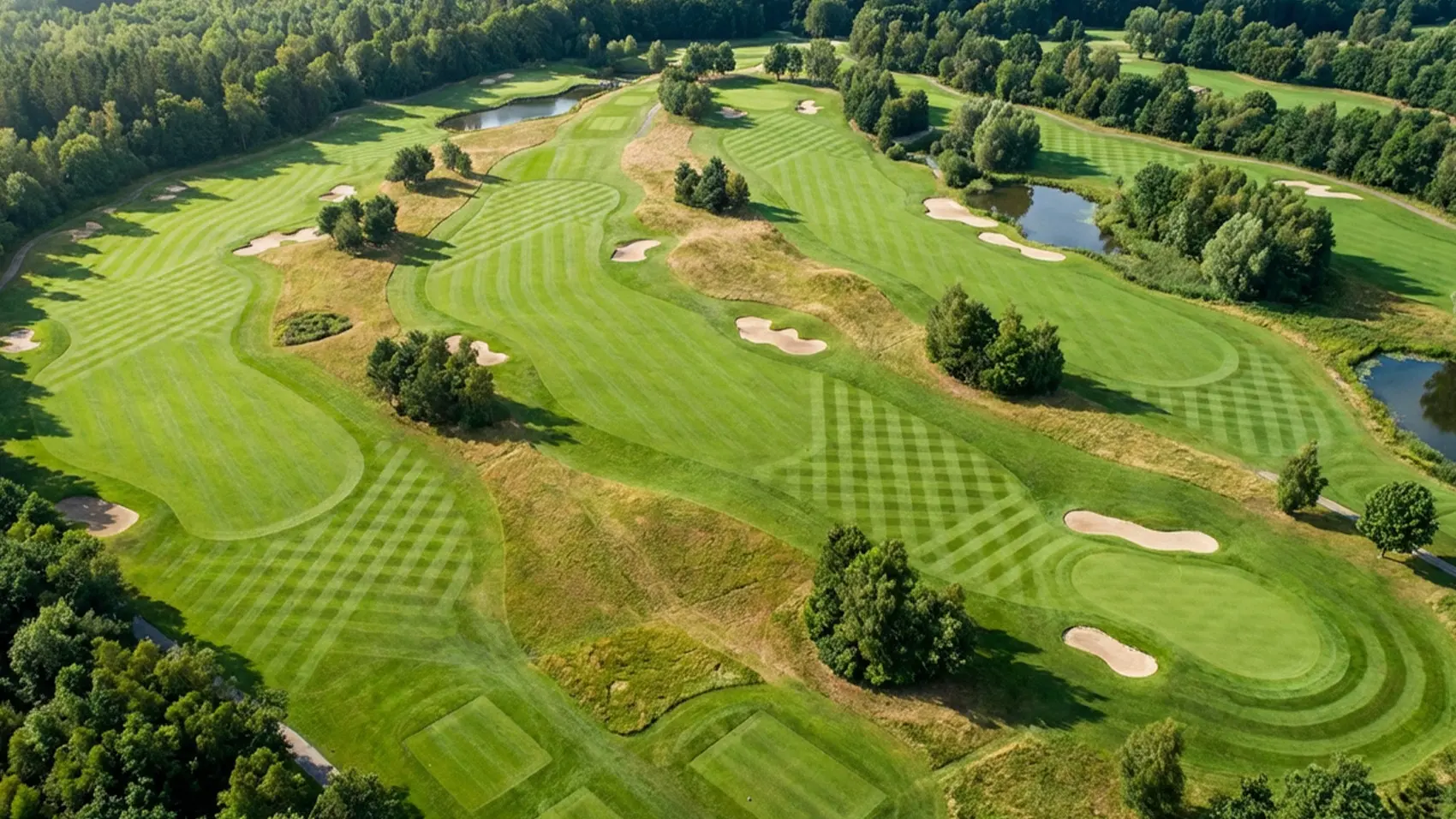
The greenkeeper shortage is documented by the turf industry's own association, and dawn fairway mowing is the hardest roster to fill. FJ Dynamics runs official golf deployments in Poland, Sweden and Japan; the RCM01 reel mower and GolfMind course mapping bring that stack to WA. See the whole-course golf system →
Groundskeeping by FIFO labour is one of the most expensive mowing regimes in the country, and no robotic mowing vendor targets village grounds anywhere in Australia. The Titan is rated to 55°C, and we already service robots across WA mining sites.
Strata commons run on thin budgets, and landscapers can't hire the crews they need: the trade is in national shortage. We supply strata direct, and we supply and service robot fleets for WA landscaping contractors. Partnership, not competition.

Universities, retirement living, wineries, estates: if it's turf at scale in WA, the same survey applies. Tell us about the site →
FJ Dynamics was founded in 2017 by Wu Di, a former DJI chief scientist, and is backed by Tencent and Dongfeng Motor's investment arm. Its core business is agricultural autonomy: it is the world's third-largest supplier of agricultural auto-navigation kits (2024), so the mowers inherit RTK guidance proven at farm scale rather than scaled up from a domestic robot.
FJD reports more than 200,000 units sold across 140+ countries through 1,000+ dealers, holds 800+ invention patents with 45% of staff in R&D, and runs official golf-course deployments in Poland, Sweden and Japan. Its Swedish heritage runs through Sveaverken, the 110-year-old farm equipment maker it acquired in 2019. Every unit carries a 24-month main-unit warranty with lifetime free software updates.
We supply and service FJD robots across WA. The established east-coast dealers do not ship robots to WA or install here, so a Perth council or club buying elsewhere is buying freight and a phone number in another time zone. With us, the survey, commissioning, blades, parts and monitoring all come from Perth.
Pick the model that fits your budget shape. Most suppliers in this market offer one; we offer all three.
Robotics as a Service, or mowing as a service: a monthly subscription covering the robot, blades, service, software and monitoring. Lowest commitment, predictable opex. Commercial mowing from $50 a day.
Two-to-four-year terms; you own the unit at the end. A middle path between subscription and capital purchase, quoted per site assessment.
Buy the robot, with an optional Care Plan for the same managed service behind it. Quoted per site assessment.
See the three models compared on the commercial models page.
A single small oval cut once a week by a contractor is often cheaper left exactly as it is. Daily-cut economics need frequency, scale or scarce labour to beat a weekly visit, and pretending otherwise sells robots into sites where they disappoint.
Where the numbers do stack up: sites cut two or more times a week, grounds teams stretched across mowing plus everything else, large or multi-oval precincts, remote sites where labour is expensive to house, and clubs that want daily presentation rather than a weekly shave. Heavy tree canopy, small fiddly areas and steep unfenced water edges count against a site, and we check all three at the survey.
We run the numbers per cut at a free site check. If they don't stack up, we'll tell you, and you'll have lost nothing but a site walk.
Tell us about the grounds and we'll come back inside one business day with an indicative quote, a recommended unit and a survey date.