Home · Industries · Healthcare & Aged Care
Healthcare & Aged Care

Cleaning robots for aged care and healthcare in WA.

Aged care homes and health facilities clean around residents and patients all day, to an infection-control standard, with a workforce that gets harder to roster every year. Autonomous units hold the floors to a fixed, logged standard, quietly, while care goes on around them, and we run the service end to end across Perth and WA.

See the fleet

Floors cleaned around people, to a standard that gets audited.

In most buildings, floor cleaning is an after-hours job. In aged care and healthcare it happens around residents, patients, meal trolleys and medication rounds, because the building never empties. The standard is higher too: floors are part of the infection-control environment, and the cleaning that maintains them has to happen on schedule whether or not the roster is full.

The roster is the hard part. Cleaning labour is chronically short across WA, turnover is high, and every unfilled shift is a corridor that did not get done. Agency cover fills the gap at a premium and still cleans to whatever standard the person on the night brings.

Then accreditation auditors visit, and "the floors get mopped" is not evidence. Facilities are increasingly expected to show what was cleaned, when, and how often. A logged, repeatable clean is easier to stand behind than a paper checklist signed at the end of a shift. Our fleet of autonomous cleaning units is built for exactly this environment.

Why care facilities suit autonomous cleaning.

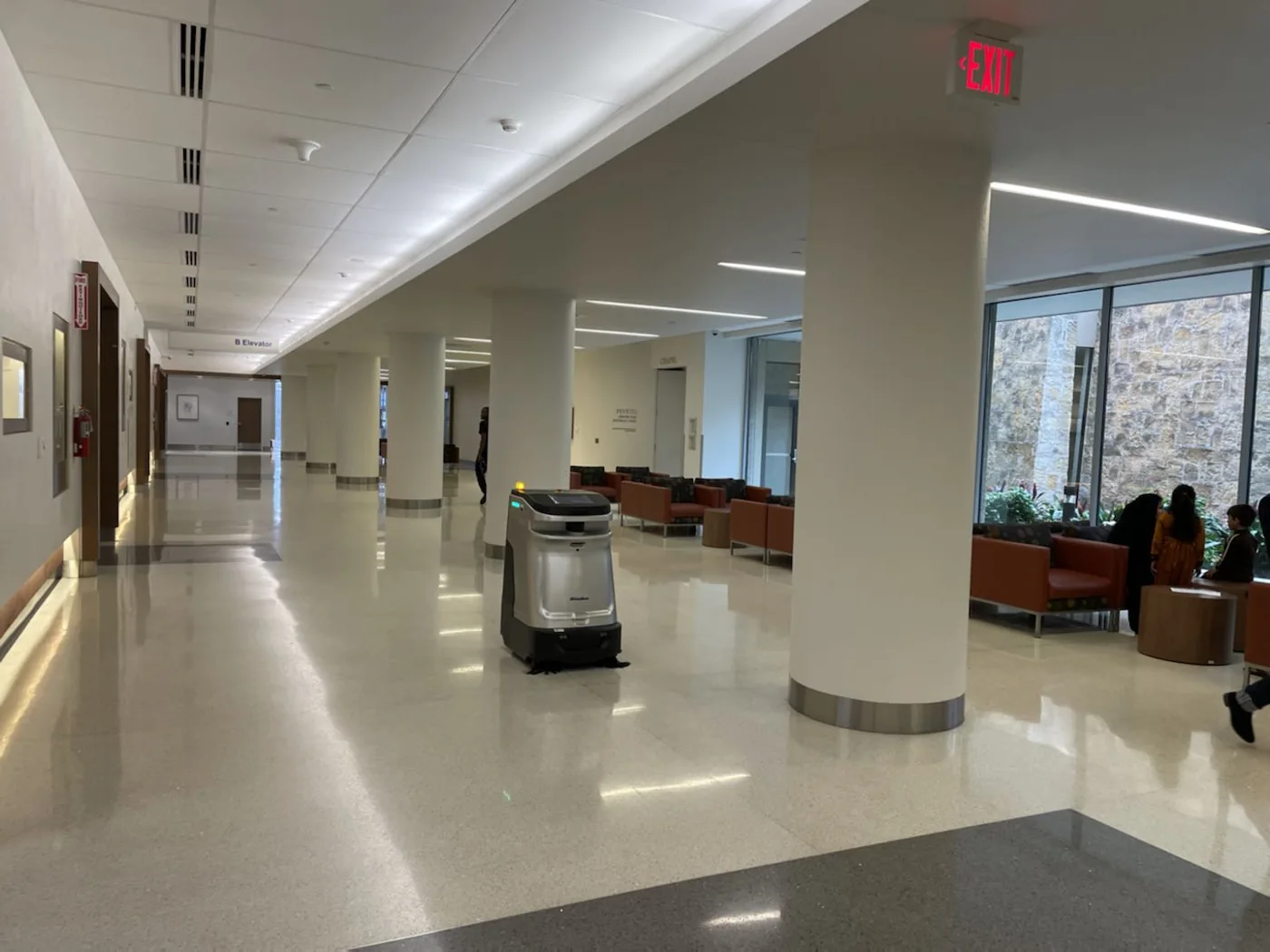
Occupied, corridor-scale, always-on floors are the work these units are built for.

  • Quiet operation. The units are built to clean occupied space: the SP50 runs at ≥58 dB(A) and the L3 at ≥64 dB(A), around conversation level, so wards, lounges and waiting areas stay usable while the floor gets done.
  • Logged coverage. Every run is recorded: coverage map, area cleaned, run time. The same route, the same standard, every day, with a timestamped record you can produce as evidence for your audit trail.
  • Spot response. Mess in a care setting does not wait for the night clean. A spot unit patrols between full cleans, finds debris and deals with it, so the floor holds its standard through the day.
  • Compact footprint. These are corridor-scale machines, not ride-on scrubbers. The smallest passes through a 700 mm gap, so dining rooms, lounges and ward circulation are all in reach.

The units we deploy in care facilities.

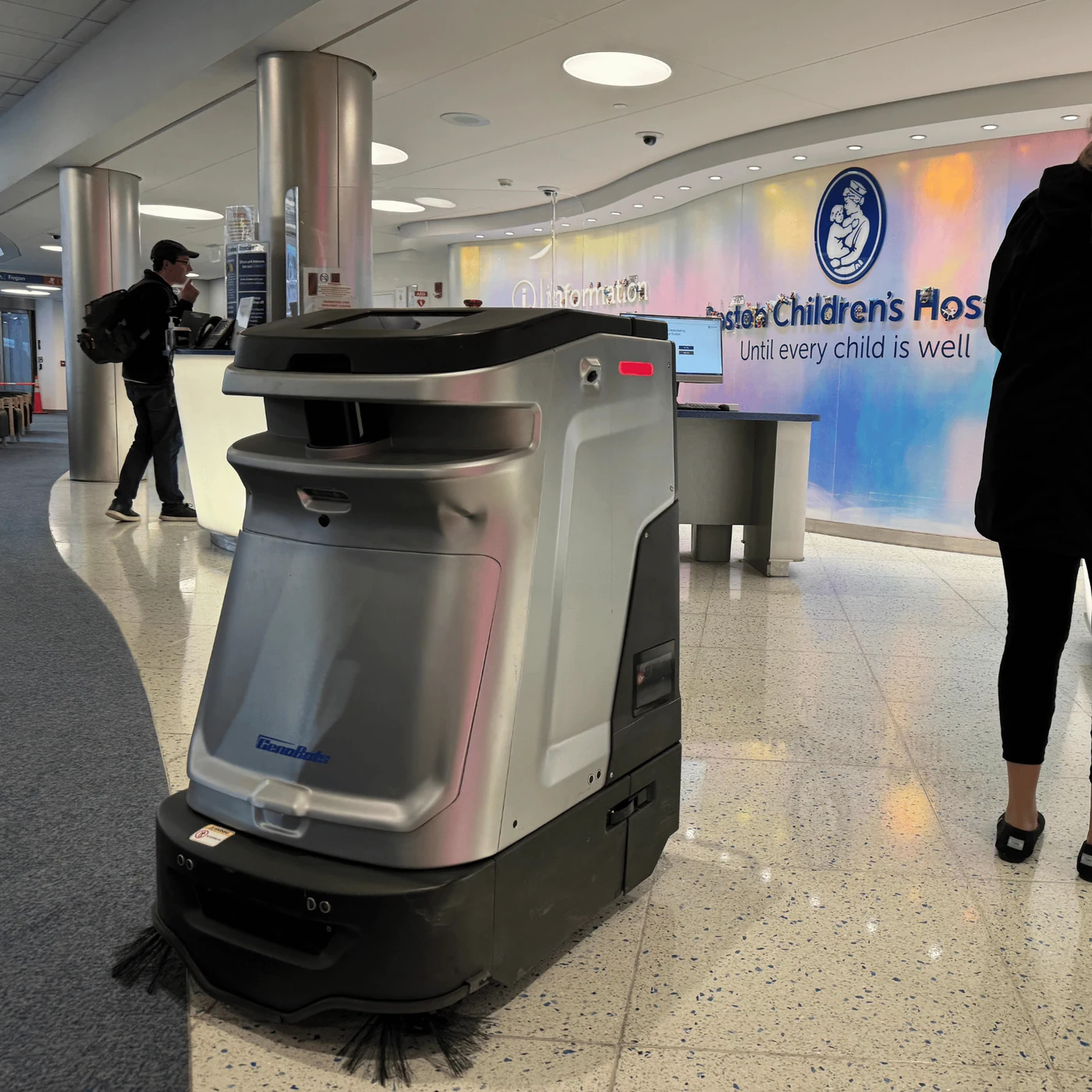
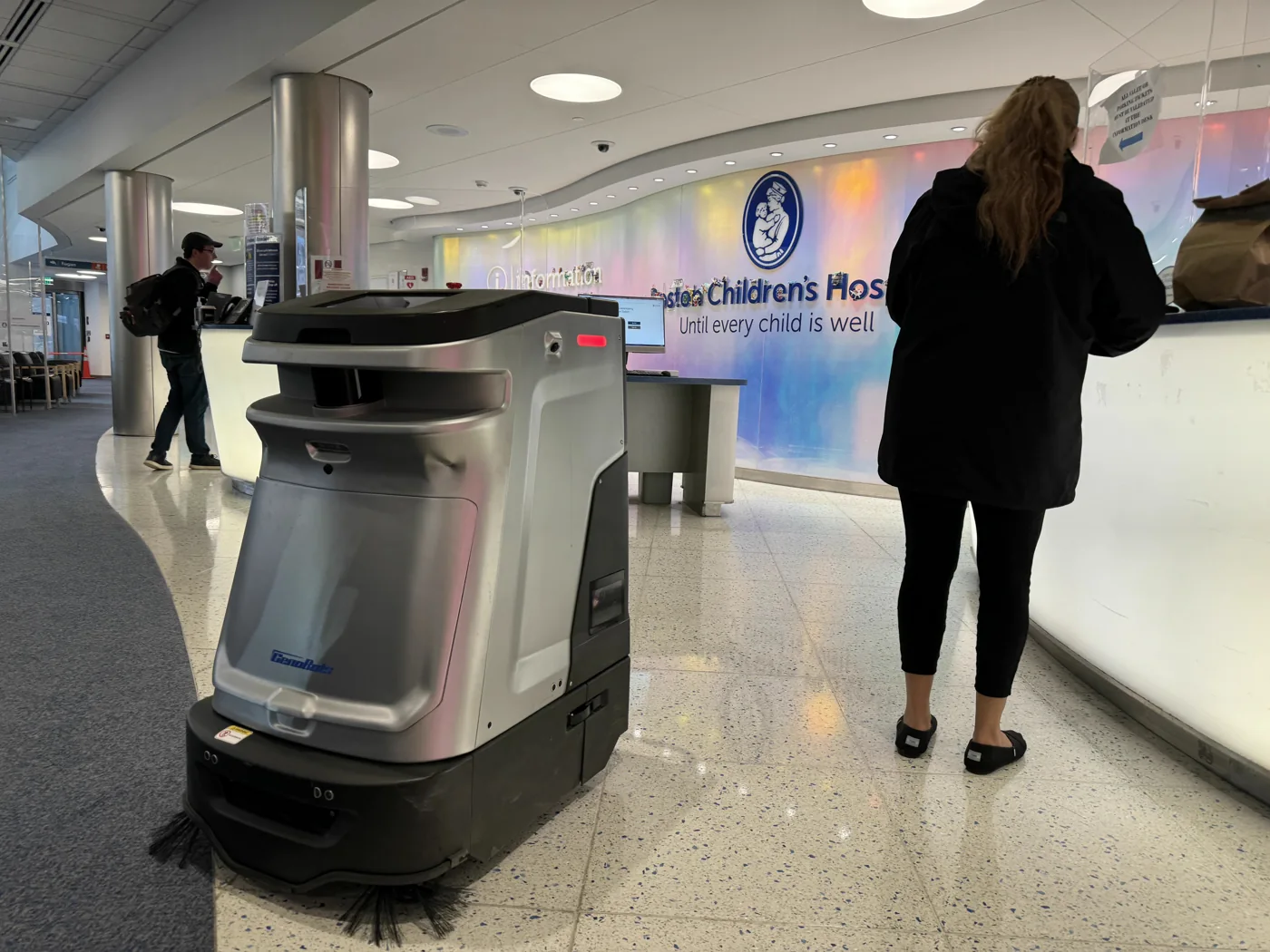
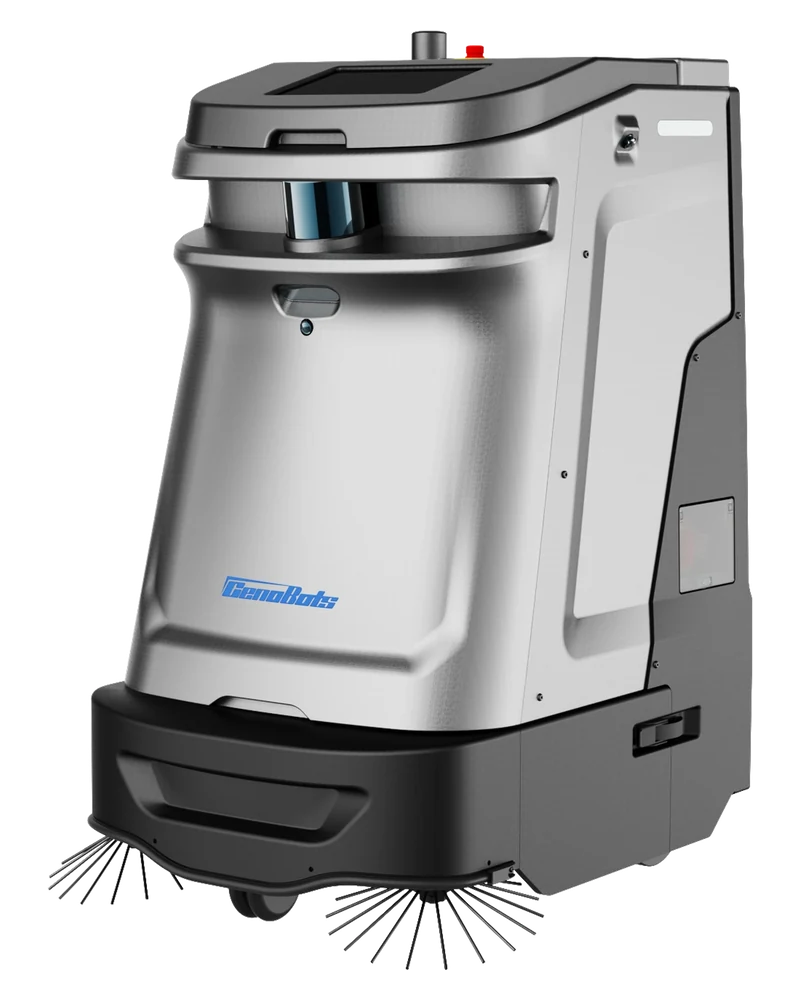
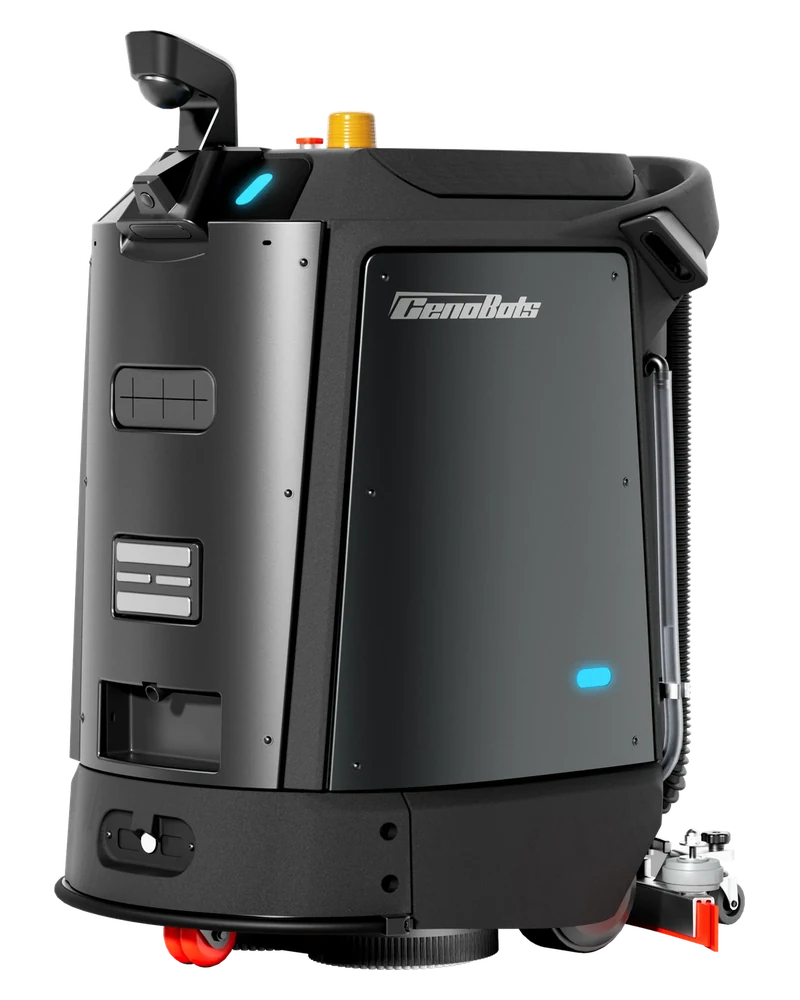
Most facilities pair the CenoBots SP50 spot vacuum with a compact scrubber-dryer such as the CenoBots L3. We confirm the combination at survey.

SP50

AI spot-cleaning vacuum for high-traffic public areas: foyers, lounges and dining rooms. It recognises 30+ debris types at 99% accuracy, covers up to 15,550 m²/h in spot mode, and its H13 HEPA filtration captures 99.95% of particles at 0.3 micron. It also carries a confirmed IEC 63327 dossier, the documentation procurement teams ask for.

SP50 detail →

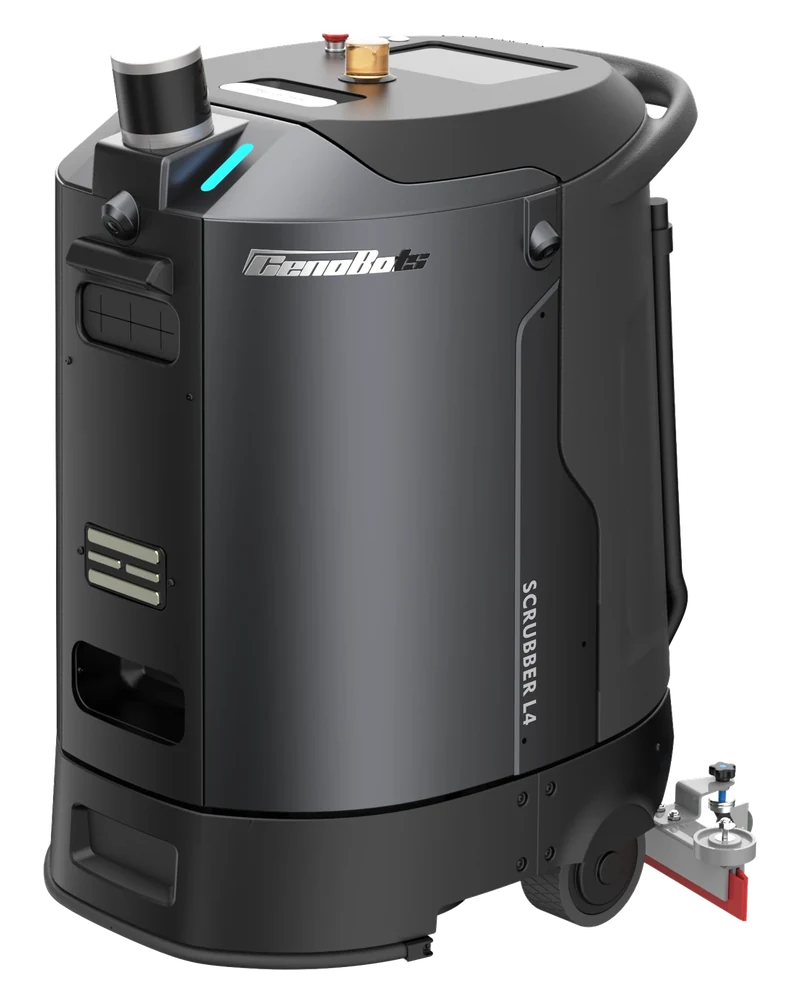
L3 & L4

Compact scrubber-dryers for corridors and wet areas. The L3 scrubs a 400 mm path through a 700 mm gap at 2,016 m²/h and deploys plumbing-free; the L4 covers 1,944 m²/h on a 450 mm path and passes a standard 32-inch doorway to move wing to wing. Both wash and dry in a single pass, leaving floors walk-ready.

L3 detail → L4 detail →

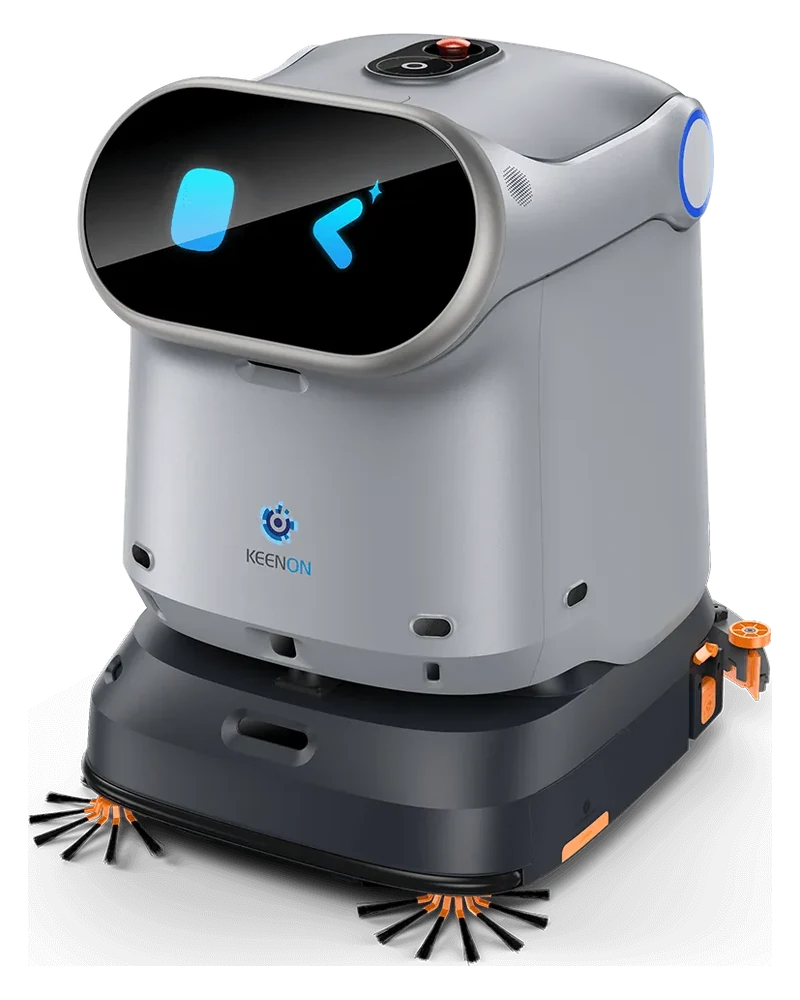
C40

Compact 4-in-1 for mixed lobby surfaces: it sweeps, vacuums, scrubs and dust-pushes in a single pass across short-pile carpet, tile, vinyl and stone. Built for 500–4,500 m² sites with a 650 mm minimum passage and a tool-free 5-second battery swap.

C40 detail →

Deployment in a live-care environment.

We assume the building is full, the routine is fixed, and nothing can be disrupted. The rollout is designed around that.

  • Site survey. We walk the facility with your team, note surfaces, congestion points and the care routine, and recommend the unit or combination that fits.
  • Mapping around care routines. Routes and schedules are built around meal services, medication rounds and visiting hours, not the other way round.
  • No-go zones. Bedrooms, treatment rooms and any area you nominate are excluded on the map, and the robot routes around them on every run.
  • Staged rollout. We start with one zone at one time of day, prove it, then extend, so residents and staff meet the robot gradually.
  • Staff introduction. A short on-site induction covers start, stop and pause from the app, plus who to call. Your team stays in control of the floor.
  • Run reports from day one. Coverage maps and run logs land on the dashboard from the first clean, ready for your records.

Three ways to pay for it.

Most facilities start on Robot as a Service: a monthly subscription from $50 a day that includes the robot, maintenance, mapping changes, software updates and support, with no capital outlay. If you prefer to own, buy outright with an optional Care Plan for ongoing service, or take a 2–4 year lease-to-own and keep the unit at the end of the term. Most competitors offer one of these; we offer all three and will tell you which suits your numbers.

An honest filter: a small single-wing facility that one person cleans in a couple of hours is usually not a robot site, and we will say so at the survey. The economics work when floors are cleaned daily, the roster is hard to fill, or the facility runs multiple wings or sites. If that sounds like your building, talk to us.

Why Perth Robots

Honest credibility, not just claims.

Engineering-led.

Built by someone who has engineered advanced systems and operated them in demanding environments. We know what these machines can and can't do.

WA-based service, not a reseller.

We deploy and service every unit ourselves across WA. If a robot's down at 2am on a mine site, that's on us, same time zone.

Multi-OEM, honest advice.

We recommend the right robot for your site, not the only one we carry.

Low-risk by design.

RaaS is a flat monthly subscription, not a capital gamble. The risk sits with us. Run the robot as often as you need.

Healthcare & aged care FAQ

Is it safe to run cleaning robots around elderly residents and people living with dementia?
Yes, with the right setup. Every unit uses 3D LiDAR and depth cameras to slow, stop or steer around people, walkers and wheelchairs, and moves at or below walking pace. During commissioning we map no-go zones around bedrooms, treatment areas and anywhere a moving machine is unwelcome, and we stage the rollout so residents and staff meet the robot in a controlled way before it joins the daily routine. Staff can pause it from the app at any time.
How loud are the robots at night, near residents' rooms?
Quiet enough for occupied areas. The CenoBots SP50 operates at ≥58 dB(A) and the CenoBots L3 at ≥64 dB(A), around the level of normal conversation, and both are built to clean while people are present. For overnight runs we schedule routes away from bedroom wings and set quiet hours in the plan, so cleaning happens where and when it suits the facility.
How do the robots fit our infection-control cleaning schedule?
They take over the repetitive floor work inside your existing schedule rather than replacing it. The scrubber-dryers wash and dry sealed hard floors in a single pass, so floors are not left wet, and the SP50's H13 HEPA filtration captures 99.95% of particles at 0.3 micron rather than recirculating fine dust. Your team keeps clinical touchpoints and high-contact surfaces; the robots deliver the same floor clean, the same way, every run.
Can the run logs be used at an accreditation audit?
Every run is logged: coverage map, area cleaned, run time and any incidents, timestamped on the dashboard. That gives you a documented record that the floors were cleaned as scheduled, which you can present as evidence for your audit trail. We do not certify compliance, and the logs are not a substitute for your own quality system; they are the objective record that sits inside it.
Who services the robots, and what happens if one stops?
We do, from Perth. Deployment, mapping, maintenance, software updates and brush and filter replacement are all part of the service. On-site response is same-day across the Perth metro and next business day for regional WA, with remote diagnostics resolving most software issues within the hour. If a unit is down, your staff are never the ones troubleshooting it.
Will the robots replace our cleaning staff?
No. They take the floors, the most repetitive and time-consuming part of the work, and your cleaners redeploy to the tasks that need judgement: bathrooms, touchpoints, spill response and resident-facing work. Most facilities we talk to are trying to fill cleaning rosters, not cut them; the robot covers the hours the market cannot.
Site survey · Fast WA quote

Scope a facility survey.

Walk us through the building and we'll recommend the unit or the combination, a schedule that fits your care routine, and the commercial model that suits.

  • WA-based service, not flown in from the east coast
  • Three ways to pay: RaaS, outright or lease-to-own
  • The right robot matched to your site, not whatever one brand sells
  • Free site check, with an indicative quote within one business day
Call us