T300
- Job
- Industrial delivery
- Max payload
- 300 kg
- Path clearance
- 60 cm
- Floor lip
- 20 mm
- Best for
- General materials movement
· See also hospitality delivery robots.
300 kg to 2,000 kg, moved across your floor without a driver and without tape on the ground. Warehouses, factories, distribution centres and mine site workshops, surveyed and serviced from Perth.
Free site survey. We map the routes and tell you what is workable before you commit to anything.
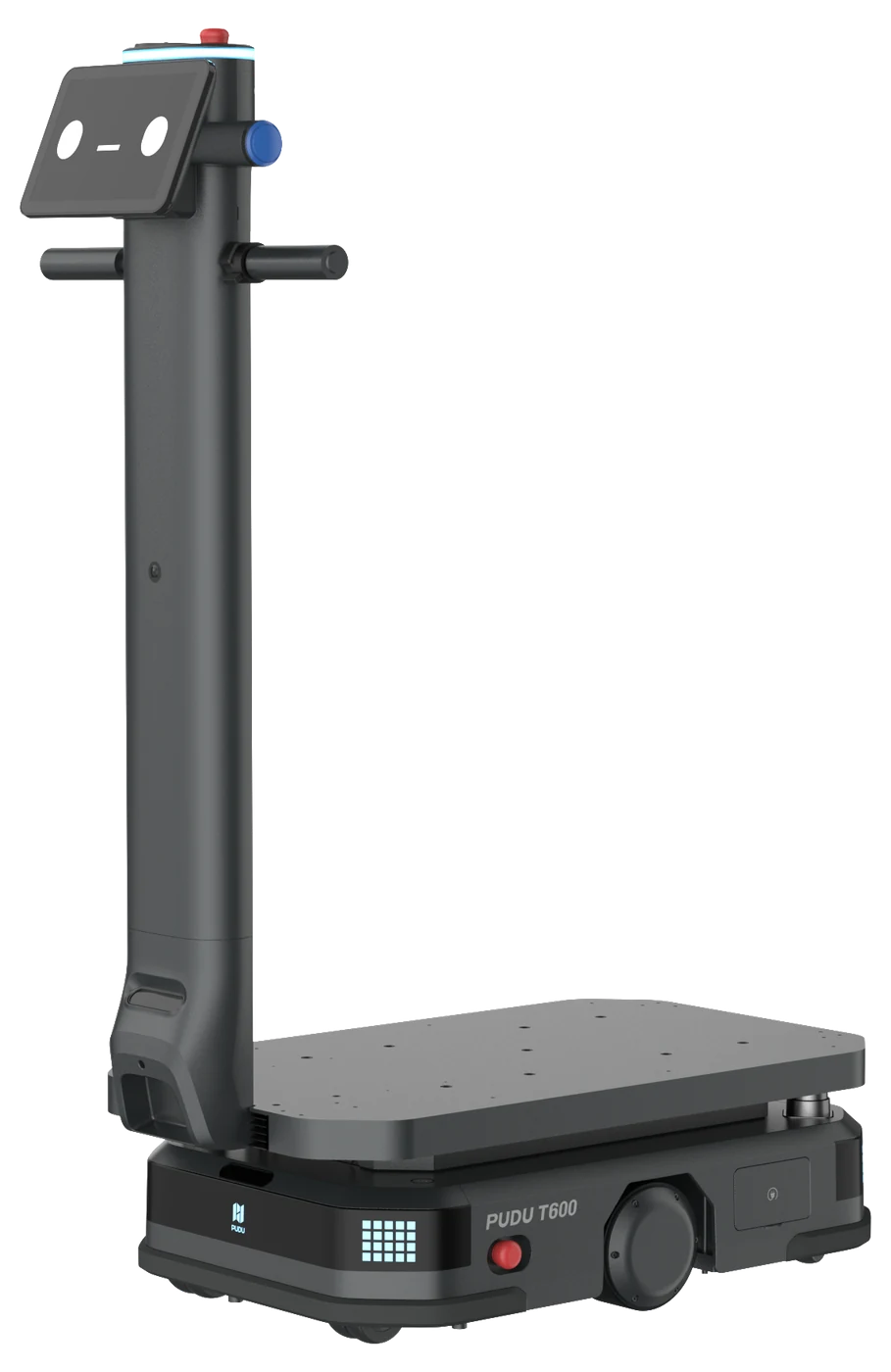
Built by PUDU Robotics. We are an authorised PUDU reseller and service hub for WA, so the survey, the integration and the ongoing service all happen here rather than from the east coast.
All four share the same navigation, the same fleet software and the same charging, so you can mix them on one site and run them from one dashboard.
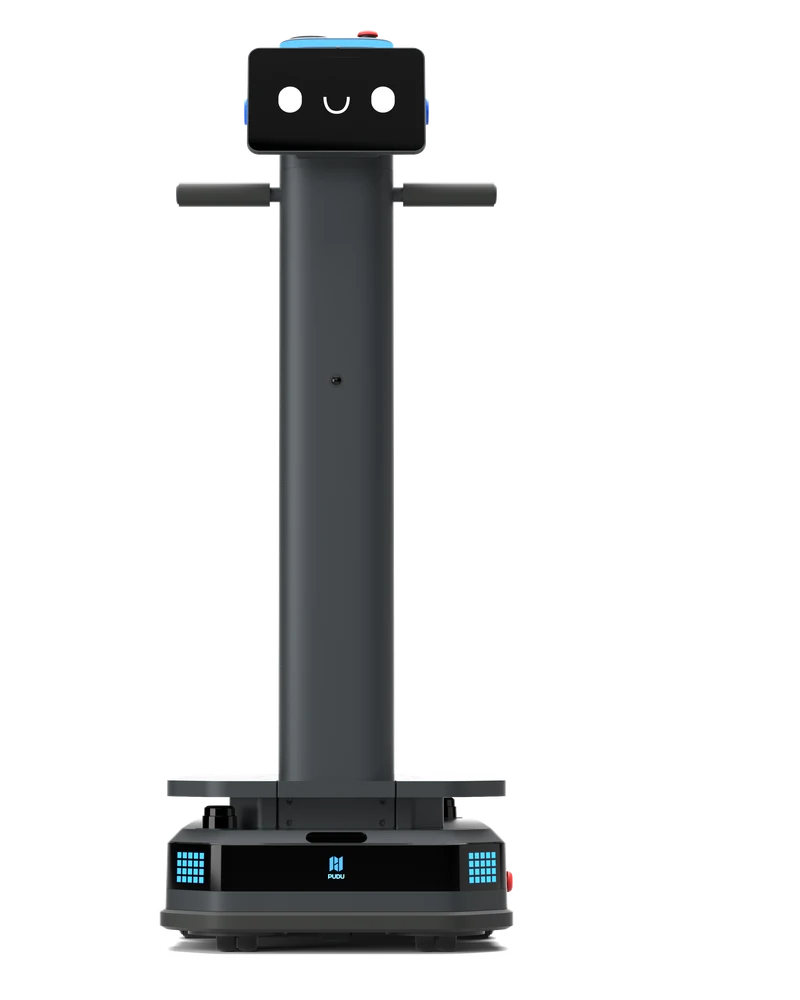
The general-purpose unit. Moves 300 kg through a 60 cm aisle, climbs a 20 mm lip, and swaps between rack, tray, tow hitch and conveyor on the same chassis.
View the T300 →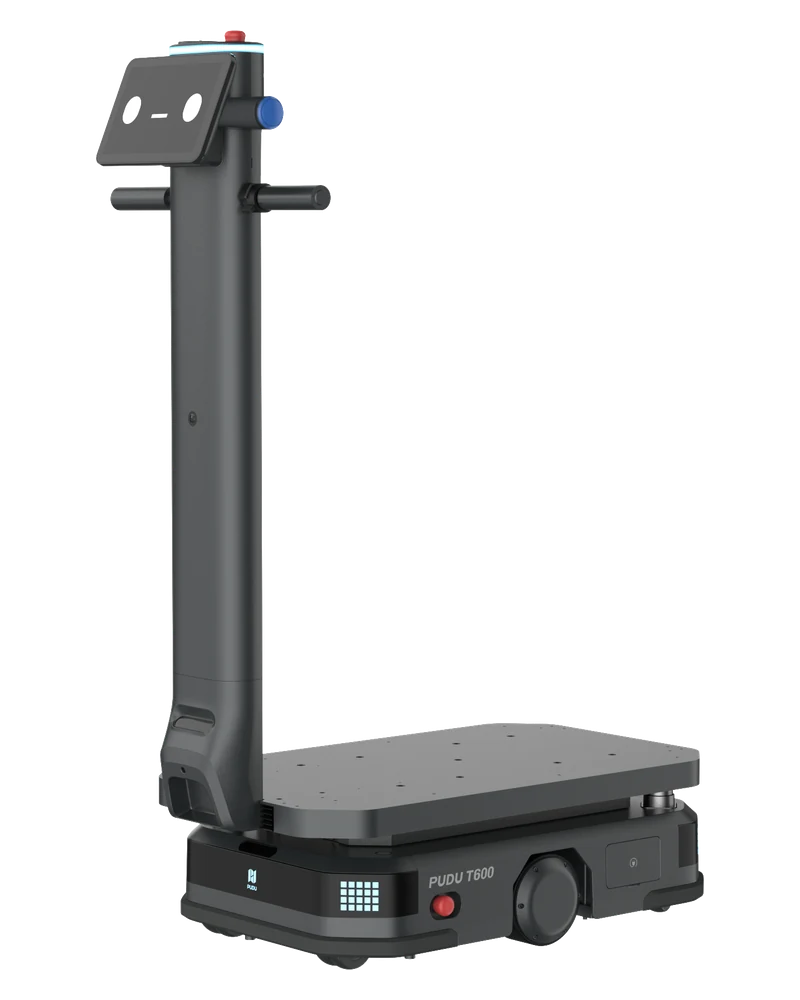
Double the payload for pallet-scale loads. Same 12 hour runtime and two hour charge, and the same fleet software, so it drops into a T300 deployment without a second system.
View the T600 →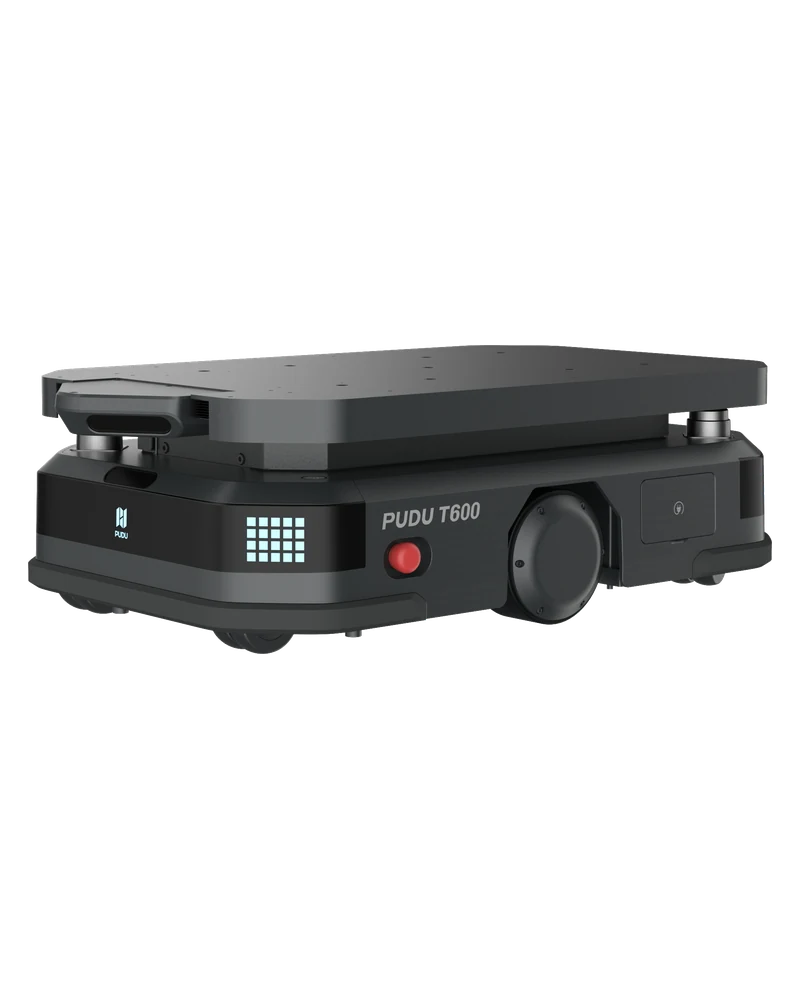
255 mm tall, so it drives under a trolley, cage or pallet, lifts and takes it away. The closest thing in the range to an autonomous pallet mover, without a mast or a driver.
View the T600 Underride →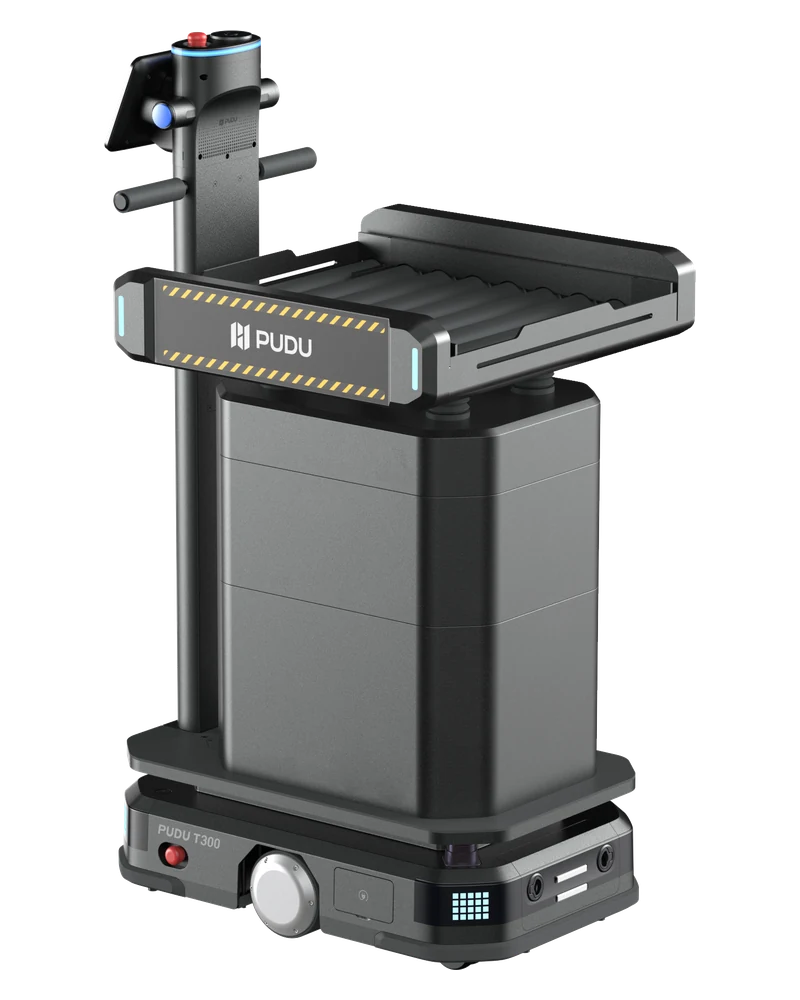
Roller decks that hand off to a fixed conveyor without anyone touching the load. Built for line-side work where the robot is one station in a continuous process.
View the T300 Conveyor →Where the T-series moves trolleys and cages, the MP2000 moves pallets. Forks, 2,000 kg, and enough tolerance to pick up a pallet a person parked badly.
That pallet tolerance is the specification that decides real deployments. Most sites cannot guarantee a pallet lands square on a mark, and a machine that needs one spends its day waiting for a person. Available to order; talk to us about lead times. Full MP2000 spec →
Manufacturer figures. Path clearance and floor lip are the two numbers that decide whether a site works, so measure those before anything else.
| Unit | Job | Max payload | Path clearance | Floor lip | Screen | Best for |
|---|---|---|---|---|---|---|
| T300 | Industrial delivery | 300 kg | 60 cm | 20 mm | 10.1 in | General materials movement |
| T600 | Heavy payload | 600 kg | 70 cm | 10 mm | 10.1 in | Pallet-scale loads |
| T600 Underride | Low-profile platform | 600 kg | 65 cm | 10 mm | None | Driving under trolleys and cages |
| T300 Conveyor | Production line | 300 kg | 60 cm | 20 mm | 10.1 in | Automatic line-side load transfer |
| MP2000 | Pallet handling | 2,000 kg | 2 m aisle | Fork lift 200 mm | — | Pallet-in, pallet-out at scale |
The accessory decides the job. A rack, a tray, a tow hitch or a conveyor deck bolts to the same robot, so the fleet is not locked to one task the day you buy it.
The test is simple: is there a route somebody walks many times a day carrying something heavy.
Goods-to-person picking, replenishment runs and dispatch consolidation. Towing a cart train is usually the highest-value first deployment. See warehousing.
Feeding a production line and clearing finished goods. The T300 Conveyor hands off automatically, so the robot becomes one station in the process rather than a thing someone loads.
Parts, consumables and tooling between store, workshop and laydown. Labour is the scarcest thing on a WA site, and this is the walking it removes. See mining automation.
Repetitive transfers in places people should not spend a full shift. Worth surveying carefully: temperature and condensation both affect what we would recommend.
Linen, waste, specimens and consumables between departments, across floors via lift integration, with every movement logged.
Contracts change and layouts change with them. Push-to-deploy mapping means a robot is re-tasked in an afternoon rather than re-engineered.
Industrial units are quoted per site rather than off a price list, because throughput and integration drive the number more than the robot does.
A flat monthly subscription including the robot, service, support and software. No capital outlay, and the easiest way to prove a route before scaling the fleet.
Fixed monthly payments over an agreed term without tying up capital, which suits sites that have already proven the case and are scaling up.
Buy the units and own them, with an optional Care Plan covering service, parts and support. Full terms on the commercial models page.
Send us a floor plan and the moves you repeat most. We will map the routes, size the fleet and price it.
Free site survey. If the routes do not suit an AMR, we will say so.