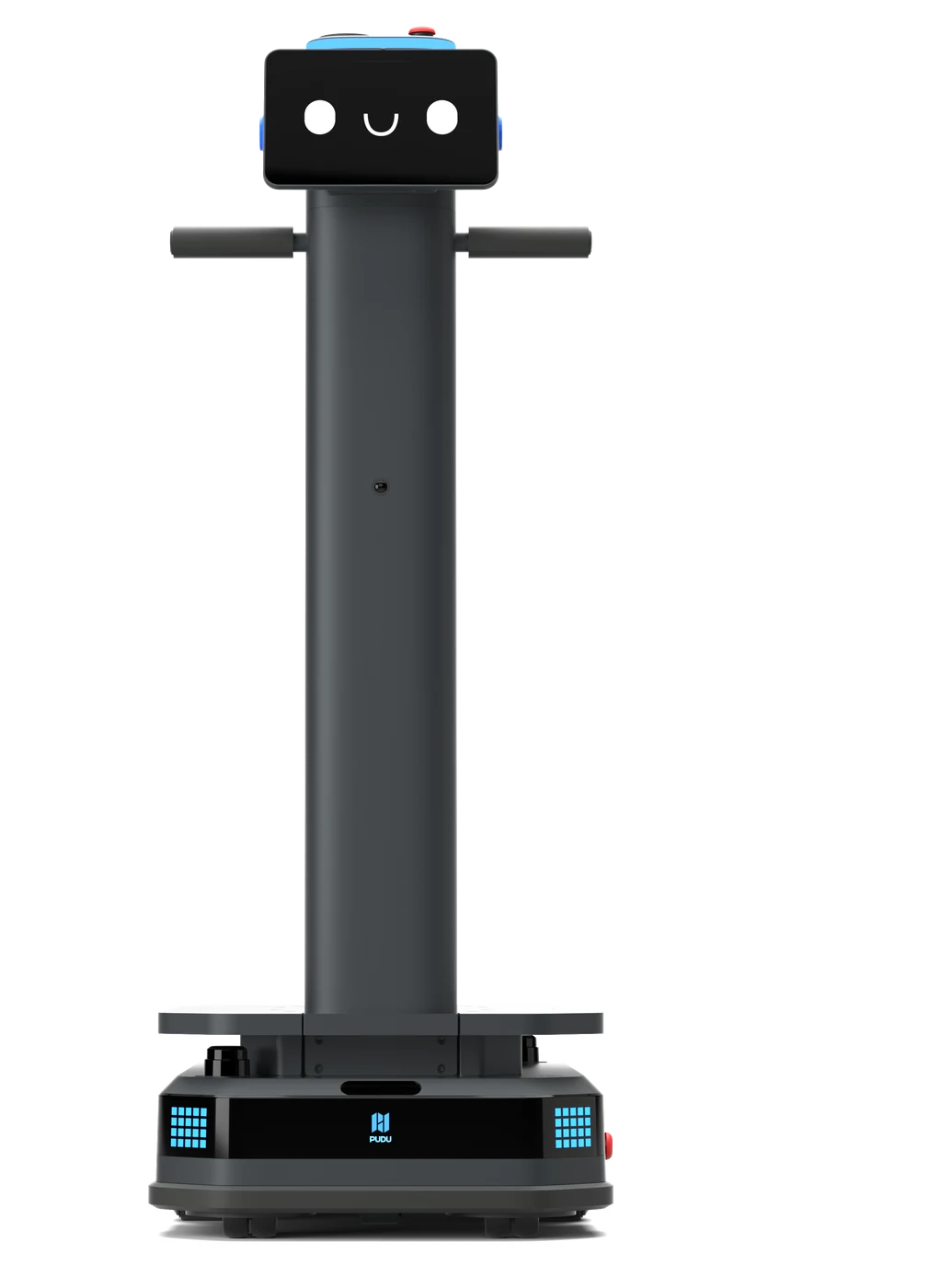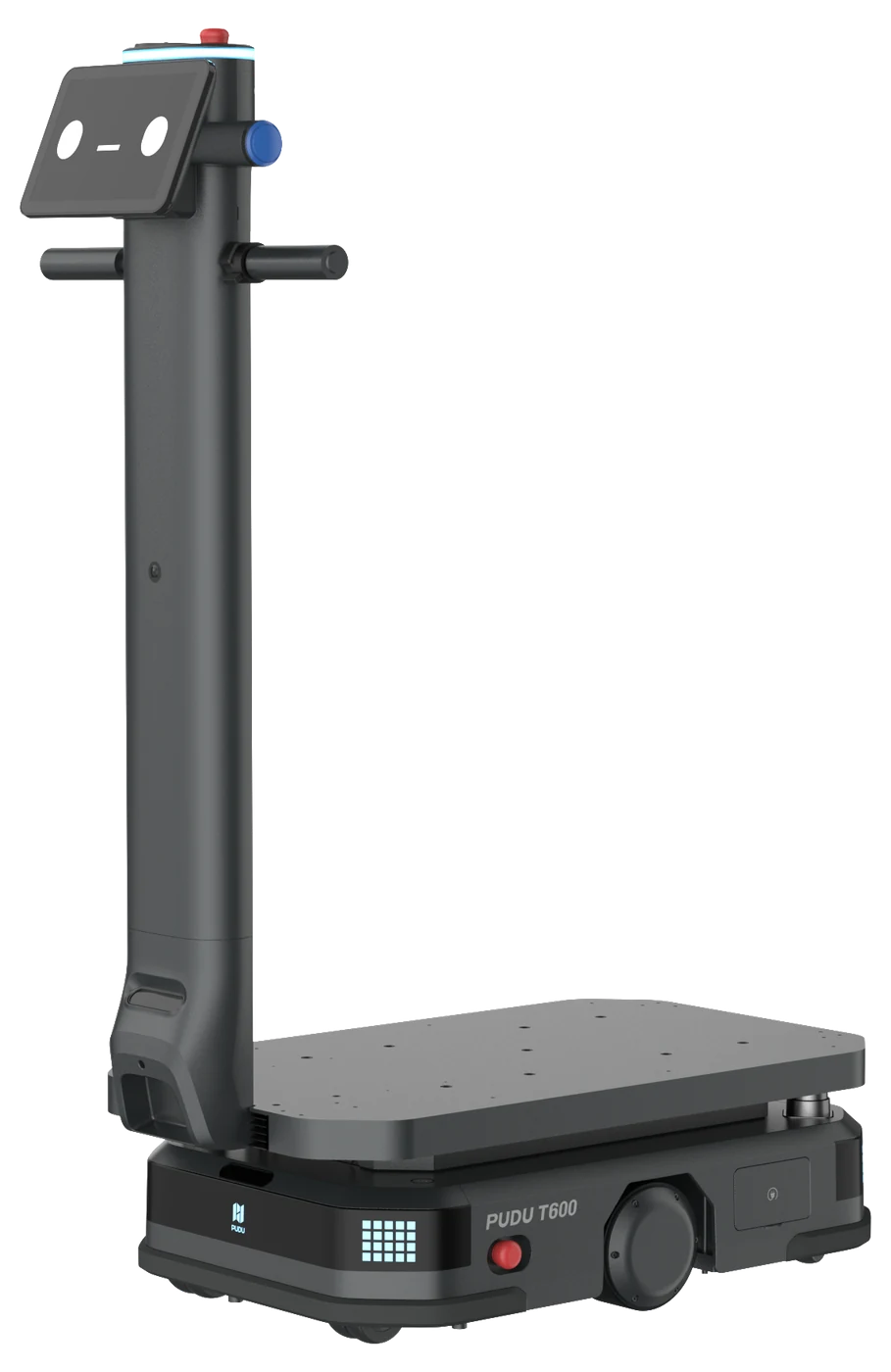
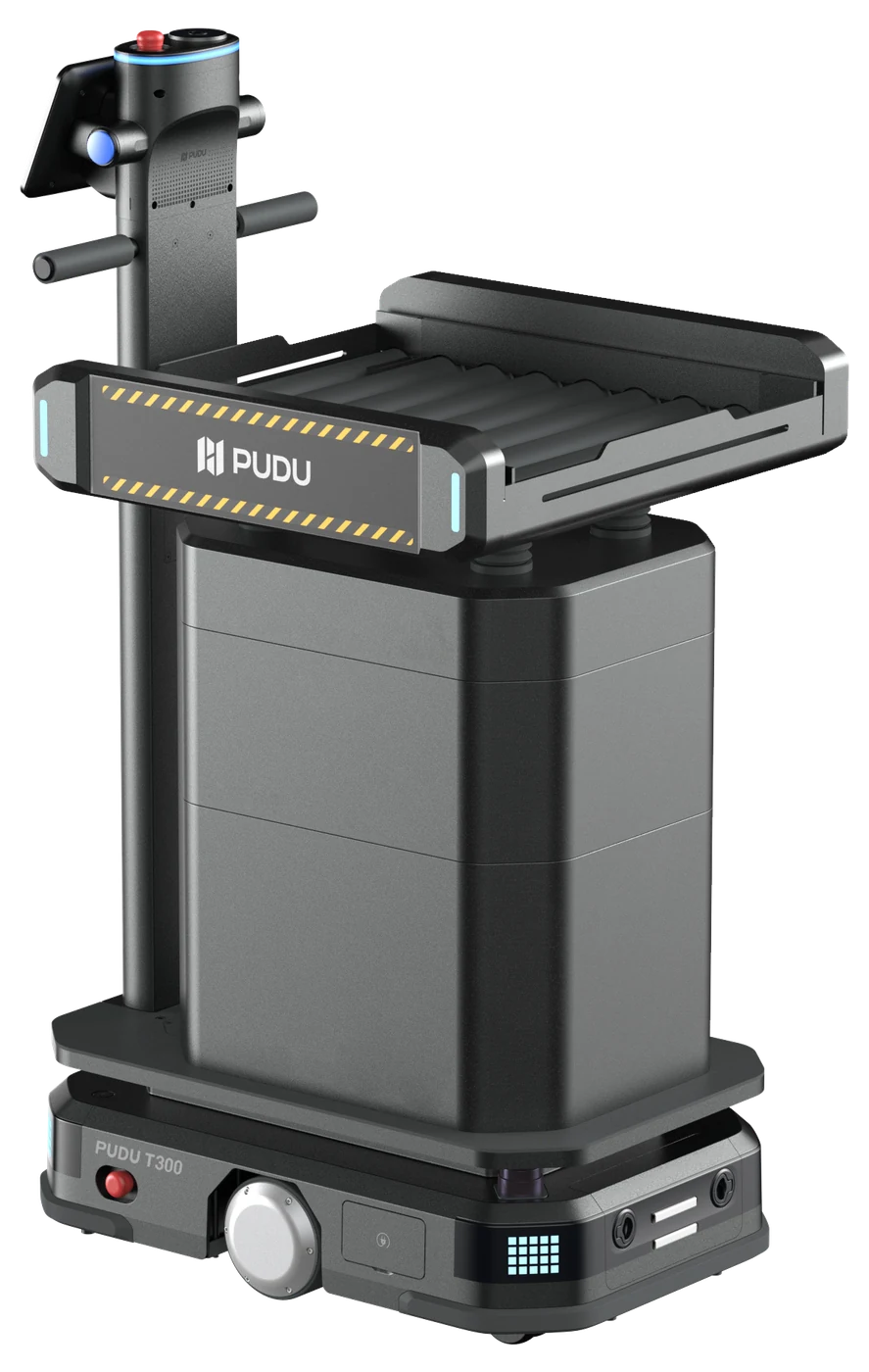
T300 Conveyor the robot that loads itself.
Roller decks that hand off to a fixed conveyor without anyone touching the load. Built for line-side work where the robot is one station in a continuous process rather than something a person loads.
- Owned & operated in Perth
- Servicing all of WA
- Engineering-led: robotics & autonomous systems
- Multi-OEM: the right robot for your site
- From as little as $50 a day
300kg
Max payload
1 or 2
Roller decks
24/7
Continuous operation
±1cm
Docking accuracy
Where it fits
Where the T300 Conveyor earns its keep.
Production lines
Feeding and clearing a line with no manual transfer step at either end.
Packing and dispatch
Moving cartons between a packing station and a dispatch conveyor continuously.
24/7 operations
Sites where the constraint is uninterrupted flow rather than peak throughput.
Specifications
Every number, on the record.
Manufacturer figures. Real-world performance depends on your layout and obstacle density, which we confirm against your site at survey.
Performance
Category
Industrial delivery robot with powered conveyor deck
Max payload
300 kg
Deck options
Single or double roller deck
Transfer
Automatic load and unload to fixed conveyor
Cruise speed
0.2–1.2 m/s
Run-time
12 hours unloaded
Charging time
2 hours, 0 to 90 percent
Navigation
Method
VSLAM and LiDAR SLAM
Positioning accuracy
±5 cm standard, ±1 cm at a precise connection
Scheduling
Distributed self-organising network
Deployment
Push-to-deploy mapping
Access and terrain
Path clearance
60 cm
Max surmountable height
20 mm
Max surmountable gap
35 mm
Screen
10.1 inch
Integration
Line integration
Hands off to fixed conveyors and production line equipment
IoT
Lift, e-door access, call button, dashboard, PUDU Link, conveyor
Operation
Designed for 24/7 continuous running
FAQ
Common buyer questions.
What does the conveyor deck actually add?
It removes the person at both ends. A standard AMR arrives and waits for someone to load or unload it. The conveyor version drives up to a fixed conveyor, transfers the load automatically, and leaves. In a continuous process that is the difference between automation and a robot that waits.
Single or double deck?
Single carries one load at a time and is simpler. Double carries two, which suits shuttle runs where the robot delivers one carton and collects another in the same trip. Which pays off depends on your cycle time, and we work that out at the survey.
Does it need my existing conveyors changed?
Usually some interface work, yes. The robot positions to about 1 cm at a docking point, but the heights need to match and the handshake has to be wired in. That integration is part of what we scope before quoting.
Can it run continuously?
It is built for 24/7 operation, with two hour charging and manual battery swap as options. Most continuous sites run a charge rotation rather than stopping the line.
Site survey · Fast WA quote
See the T300 Conveyor working at a site like yours.
Tell us about the site and we will confirm the fit, the deployment and the commercial model.
Related
Different job? Different robot.
If loads are handled manually at each end, or need forks, a different configuration suits.