AI Robotic Sweeper · Commercial · PUDU Robotics Available now

MT1 AI robotic sweeper for Perth warehouses and public floors.

The PUDU MT1 recognises litter rather than just following a route. It sweeps up to 1,800 m²/h on full coverage, then patrols and spot cleans at up to 6,000 m²/h, handling everything from bottles and packaging to fine dust with active dust control. A 35 L bin, 75 cm clearance, and Perth-based service.

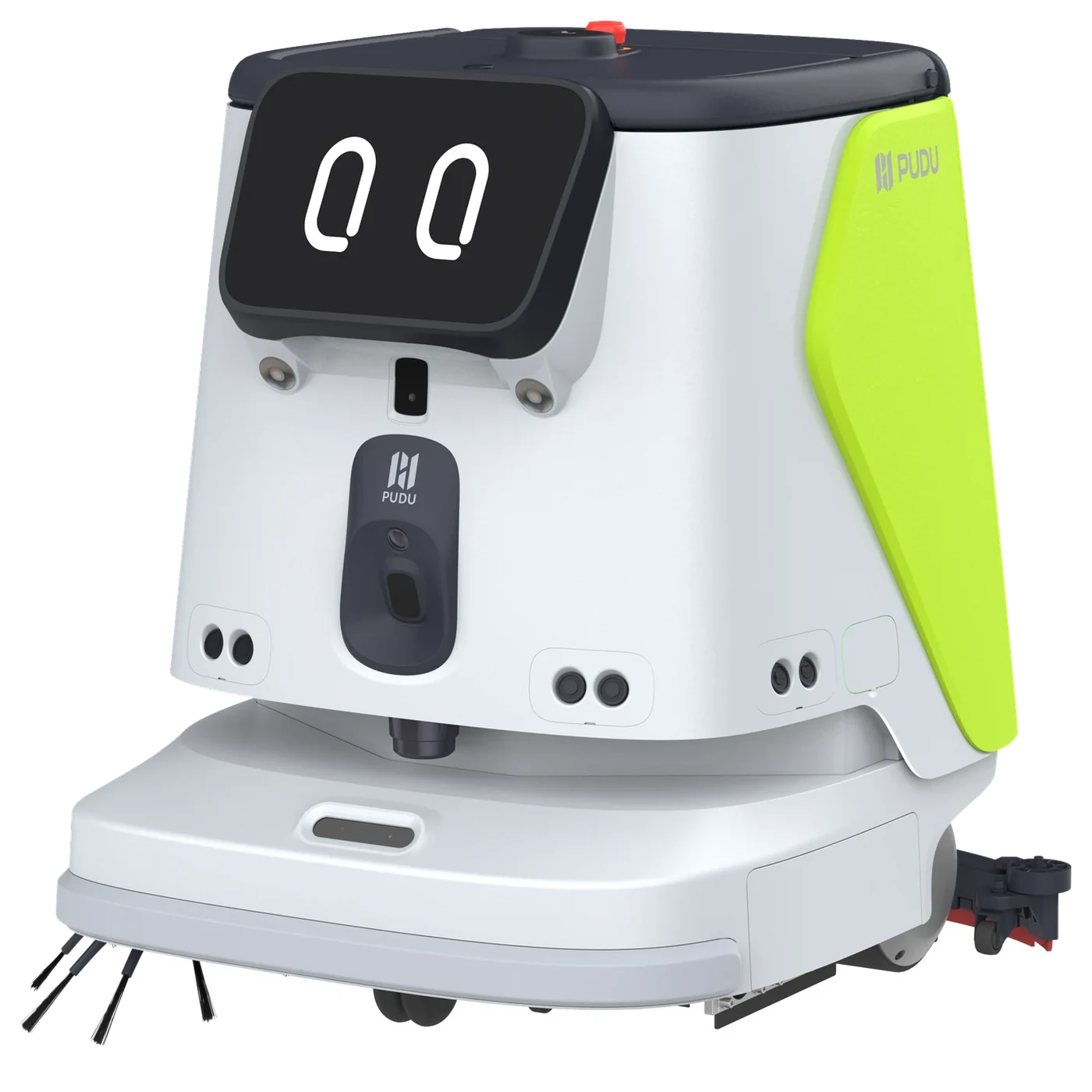
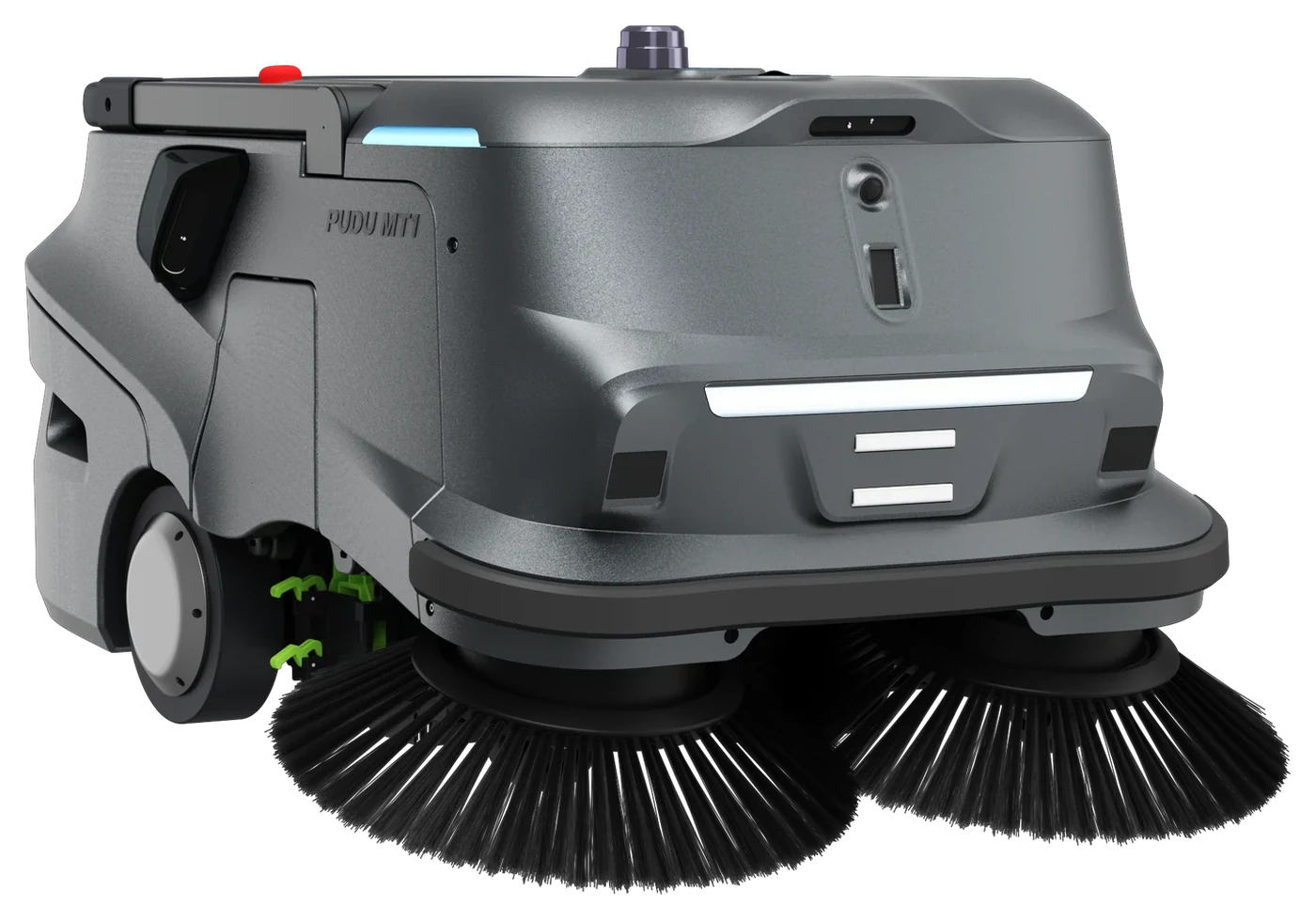
PUDU MT1 AI robotic sweeper, front three-quarter view showing the dual-disc side brushes
1,800m²/h
Standard sweeping
6,000m²/h
AI spot cleaning
35L
Bin capacity
4–8h
Runtime per charge
Every angle

The MT1 from every side.

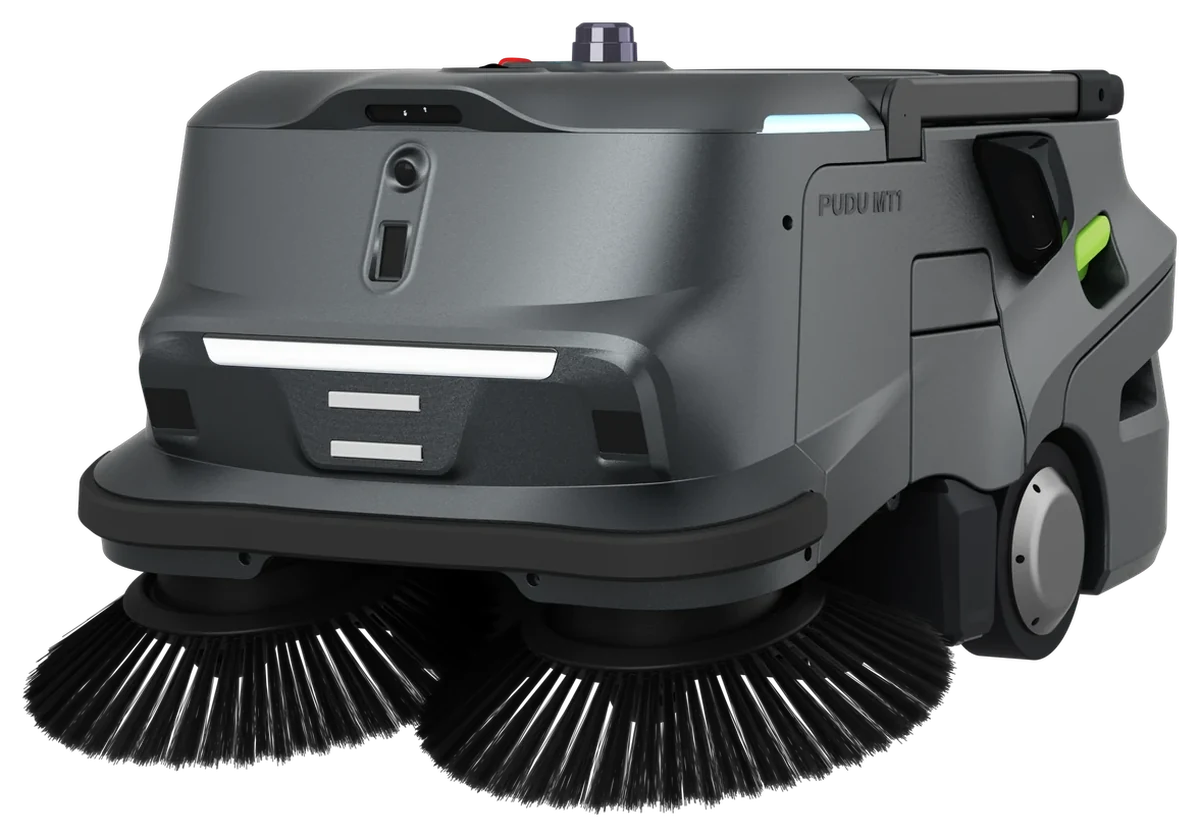
Front, three-quarter, side, rear and top-down: the sweep head, bin lid and sensor stack.

PUDU MT1, front three-quarter view showing the dual-disc side brushes and light bar
What it does

A sweeper that knows the difference between a clean floor and a dirty one.

A conventional floor sweeper runs the same route every time, whether the floor is spotless or covered in packaging offcuts. On a large site that is mostly wasted running: you are cleaning floor that did not need cleaning to reach the small part that did.

The MT1 works differently because it can see what is on the floor. Its cameras recognise rubbish in real time, which lets it run two distinct modes. Full coverage sweeps everything at up to 1,800 m²/h on a schedule. Between those passes it patrols, finds what has actually been dropped, and cleans it at up to 6,000 m²/h because it is driving to mess rather than covering ground.

The sweeping hardware is built for range rather than one debris type. Dual-disc brushes pull in bulky items like bottles, cans, leaves and strapping, while the same pass lifts fine dust, and active dust control stops that dust being thrown back into the air. Zero-gap edge cleaning takes it right to the wall line rather than leaving a strip.

Practically, the numbers that matter day to day are the 35 L bin and the 75 cm clearance. The bin decides how often a person is involved; the clearance decides how much of your site the robot can actually reach. At 490 mm tall it also works under racking overhangs and conveyor runs that stop taller machines.

Capabilities

What you get, at a glance.

Eight capabilities that decide whether a sweeper is useful on a working industrial floor.

AI trash recognition

Identifies rubbish on the floor in real time instead of sweeping blind to a fixed pattern.

AI spot cleaning

Patrols and drives to detected mess at up to 6,000 m²/h rather than running a full pass.

Big and small debris

Dual-disc brushes take bottles, cans, leaves and packaging, plus fine dust in the same pass.

Active dust control

Keeps fine particulate down instead of throwing it into the air to settle again an hour later.

Zero-gap edge cleaning

Works right to the wall line, so there is no untouched border strip left for someone to do by hand.

Triple-fusion navigation

VSLAM, markers and LiDAR SLAM together, so it holds position in repetitive racking aisles.

Round-the-clock cycles

Four to eight hours of work, under three hours to recharge, and it docks itself between runs.

Manual mode

Push it like a conventional walk-behind sweeper when someone needs to clean one specific area now.

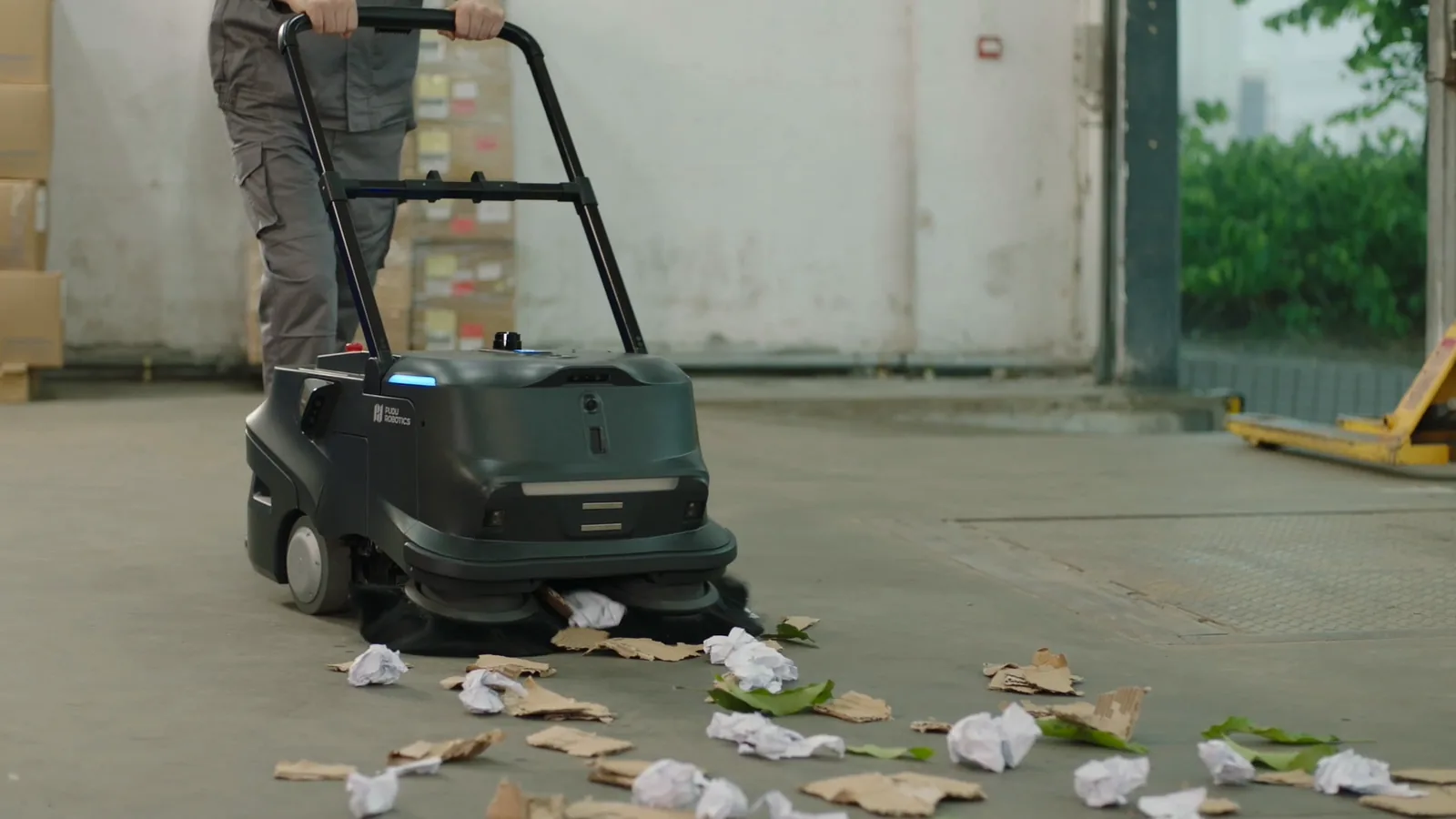
An operator pushing the PUDU MT1 by hand in manual mode over scattered debris
Manual mode: when someone needs one area cleaned right now, the MT1 pushes like a conventional walk-behind sweeper rather than waiting for its next scheduled run.
In detail

Recognition, reach and range.

The three things that separate the MT1 from a scheduled sweeper on a timer.

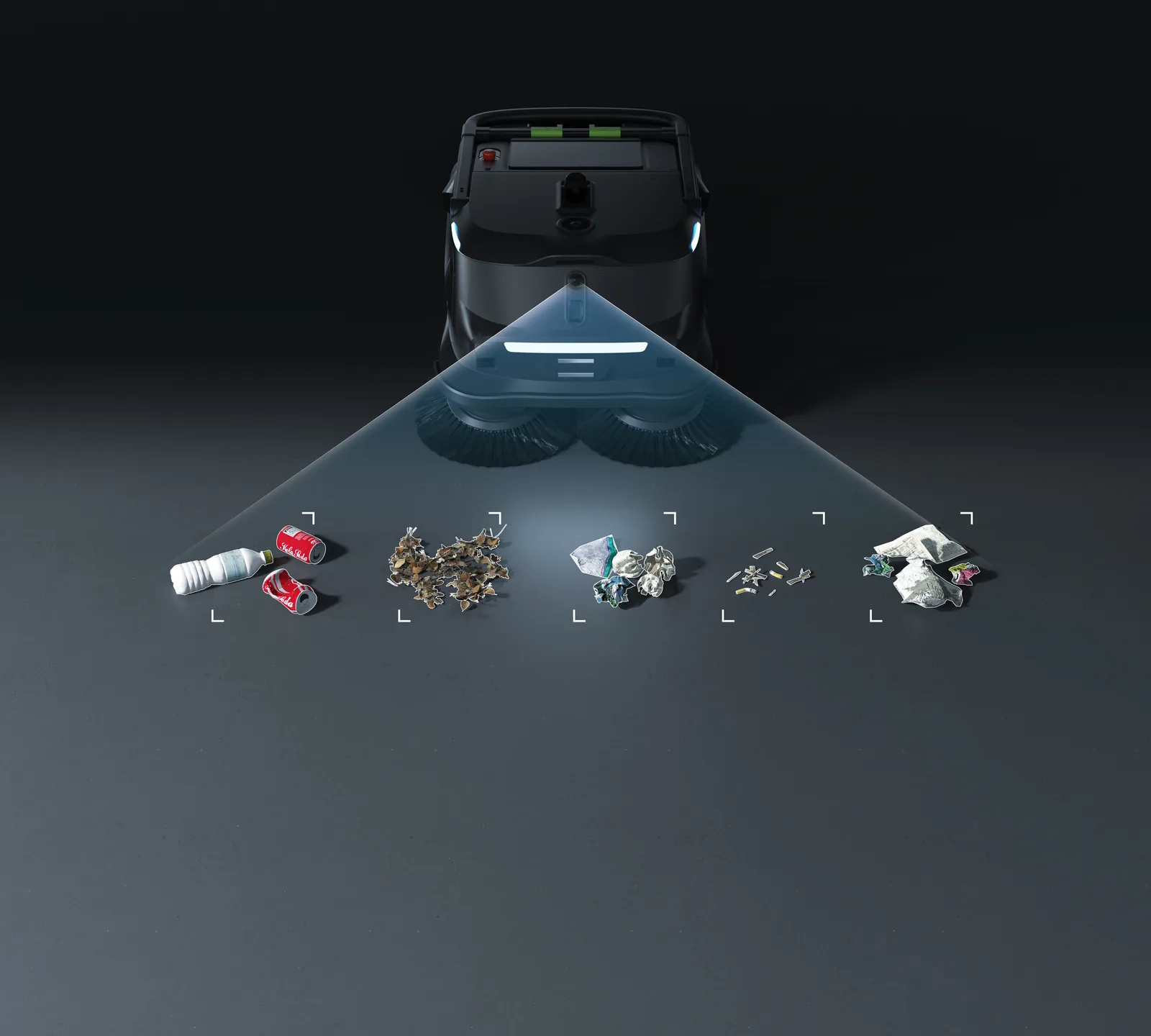
PUDU MT1 detecting scattered bottles, cans and packaging on a dark floor
6,000m²/h

It finds the mess, then goes to it

Trash recognition is what makes patrol cleaning possible. Instead of a fixed route that treats every square metre the same, the MT1 covers ground looking for what has actually been dropped and cleans that. On a large floor with intermittent mess, this is where the labour saving comes from.
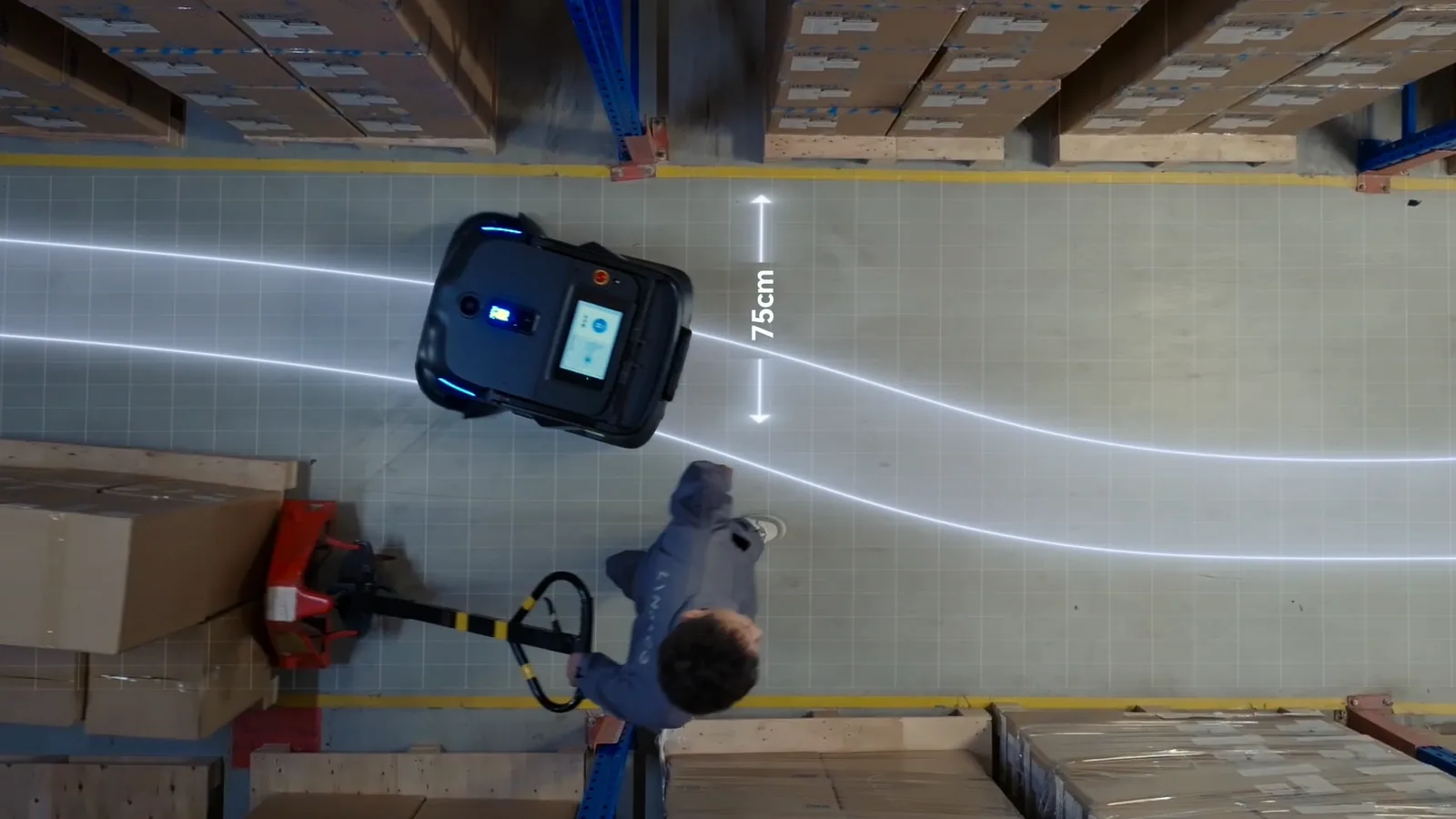
Overhead view of the PUDU MT1 working a warehouse aisle, annotated with its 75 cm clearance
75cm

Reaches the parts bigger machines cannot

A sweeper that only covers the main thoroughfares leaves you doing the aisles by hand. At 600 mm wide with a 75 cm clearance requirement and just 490 mm tall, the MT1 gets between racking, under conveyor runs and into the areas where debris actually accumulates.

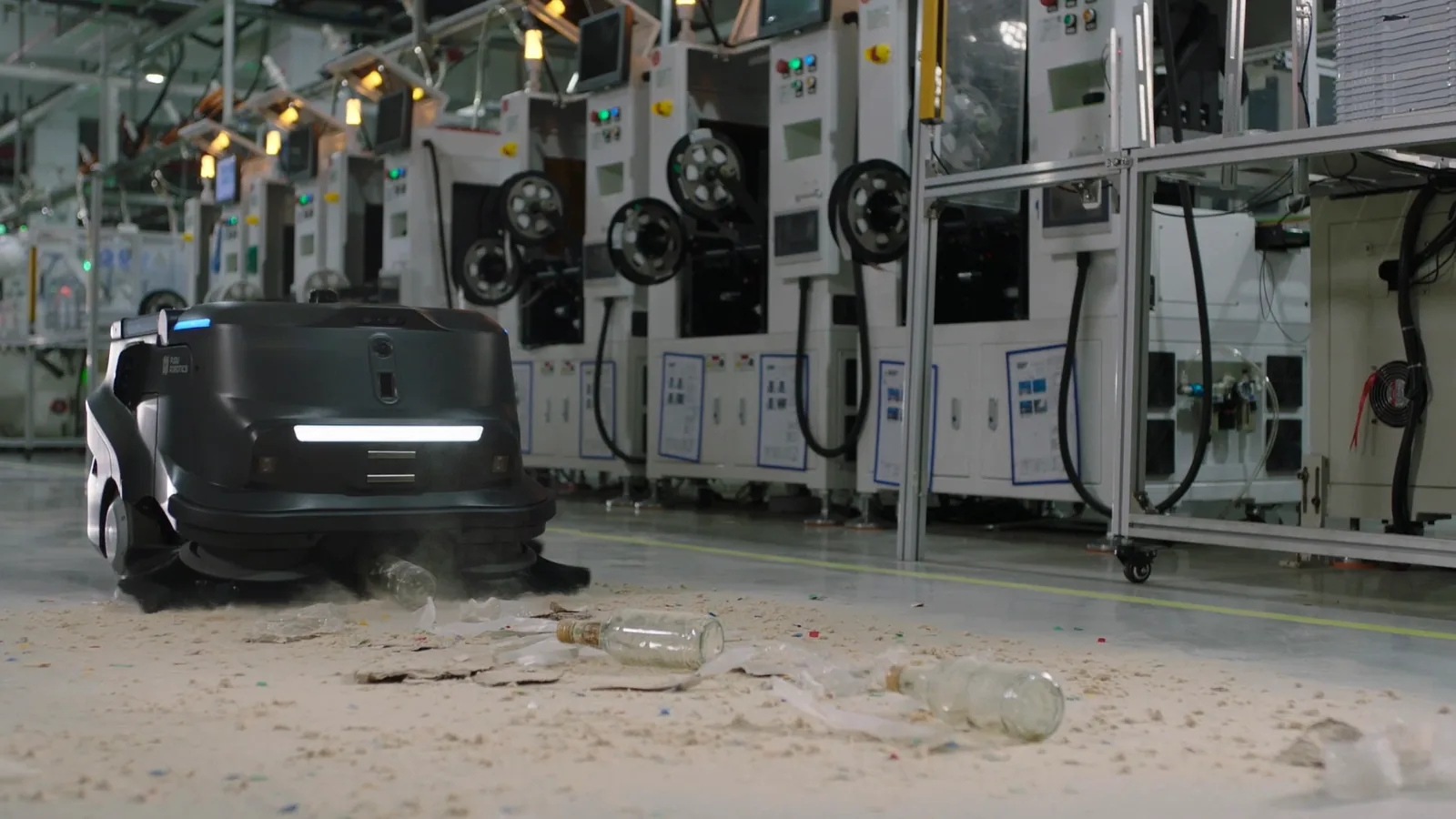
PUDU MT1 sweeping scattered packaging debris from a factory floor between machinery
35L bin

Long enough between empties to be worth it

Bin size is the specification that decides how often a human is back in the loop. At 35 L the MT1 carries a genuine shift's worth of debris for most sites, so emptying is a daily task rather than an interruption every run. The app tells you when it is getting full.

Best for

Where the MT1 earns its keep.

Hard floors with dry debris, awkward access and mess that arrives unpredictably rather than on a schedule.

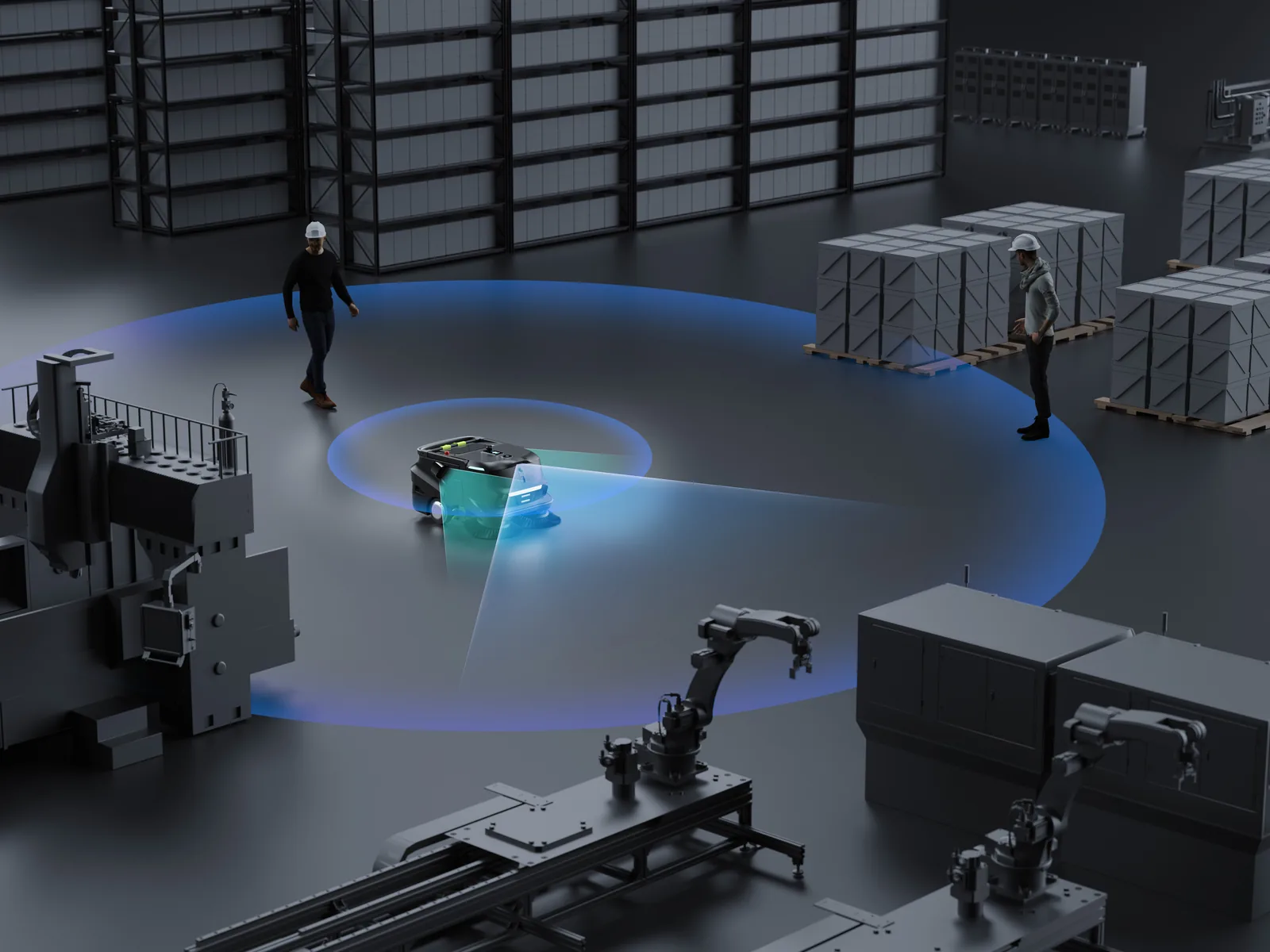
PUDU MT1 sensing its surroundings on a warehouse floor with people and machinery nearby
In its element: sharing a working warehouse floor with staff and equipment, without needing the area cleared.

Warehouses & distribution

Pick aisles and dispatch areas where strapping, shrink wrap and cardboard offcuts appear all shift.

Light industrial & manufacturing

Production floors and assembly bays with tight access between machinery and conveyor runs.

Transport & public floors

Concourses, terminals and interchanges where litter arrives constantly and presentation is public.

Covered carparks

Multi-storey and basement carparks where dust, leaves and rubbish build up between manual sweeps.

Mining & resources support

Workshops, stores and covered laydown areas on WA sites where dust control is a real obligation.

Campus & large venues

Undercover walkways, sports halls and event floors that need patrolling rather than one nightly pass.

How it works

Full coverage on a schedule, patrol in between.

One survey and one map, then two modes doing different jobs at different times of day.

Step 01

Survey

We check aisle widths, overhead clearances, floor surface and where the debris actually comes from before anything is ordered.

Step 02

Map

We build the map with VSLAM, markers and LiDAR, set zones and exclusions, and split the day into coverage and patrol windows.

Step 03

Sweep & patrol

Scheduled full-coverage passes handle routine dust. Between them it patrols, recognises litter and clears it as it appears.

Step 04

Empty

Site staff empty the 35 L bin when the app flags it. Charging is automatic, so that is the only recurring manual task.

Specifications

Every number, on the record.

Manufacturer figures for the MT1. Real-world coverage depends on floor layout and obstacle density, so we size it against your site at survey.

Performance
Category
AI robotic sweeper (commercial and light industrial)
Standard cleaning
Up to 1,800 m²/h
Spot cleaning
Up to 6,000 m²/h
Cleaning width
700 mm
Bin capacity
35 L
Runtime
4–8 hours by cleaning level
Min. path clearance
750 mm
Cleaning system
Brush configuration
Dual-disc side brushes
Debris range
Bulky items (bottles, cans, leaves, packaging) through to fine dust
Dust management
Active dust control
Edge cleaning
Zero-gap to the wall line
Manual operation
Push mode, like a walk-behind sweeper
Navigation & intelligence
Positioning
VSLAM + marker + LiDAR SLAM fusion
Perception
AI cameras with real-time trash recognition
Cruising speed
0.2–1.2 m/s, adjustable
Docking
Automatic return and charge
Power & physical
Charging time
Under 3 hours
Dimensions
840 × 600 × 490 mm
Weight
65 kg
Suitability
Best floor type
Sealed hard floors: concrete, tile, epoxy, polished stone
Wet cleaning
No. Sweeper only, does not scrub or wash floors
Typical sites
Warehouse, light industrial, transport concourse, carpark, campus
Australian deployment

Dust is not a cosmetic problem in WA.

On Western Australian industrial sites, fine dust is a genuine operating issue rather than a presentation one. Red dust tracked in on vehicles, concrete dust off green slabs, and product dust in food and materials handling all end up on the floor, and a sweeper without active dust control just relocates it into the air for an hour. The MT1 is built to hold it down as it sweeps.

Access is the second WA-specific problem. Sites here are often tight around racking, conveyors and workshop equipment, and the machine that can only do the main runs leaves the awkward parts manual. At 600 mm wide and 490 mm tall with 75 cm clearance, the MT1 reaches into the places where the debris actually collects.

The patrol model suits shift work. Mess on a warehouse floor does not arrive on a timetable, it arrives when a pallet is broken down or a carton splits. A robot that covers the floor overnight and then patrols during the day deals with that as it happens, instead of leaving it until the next scheduled pass.

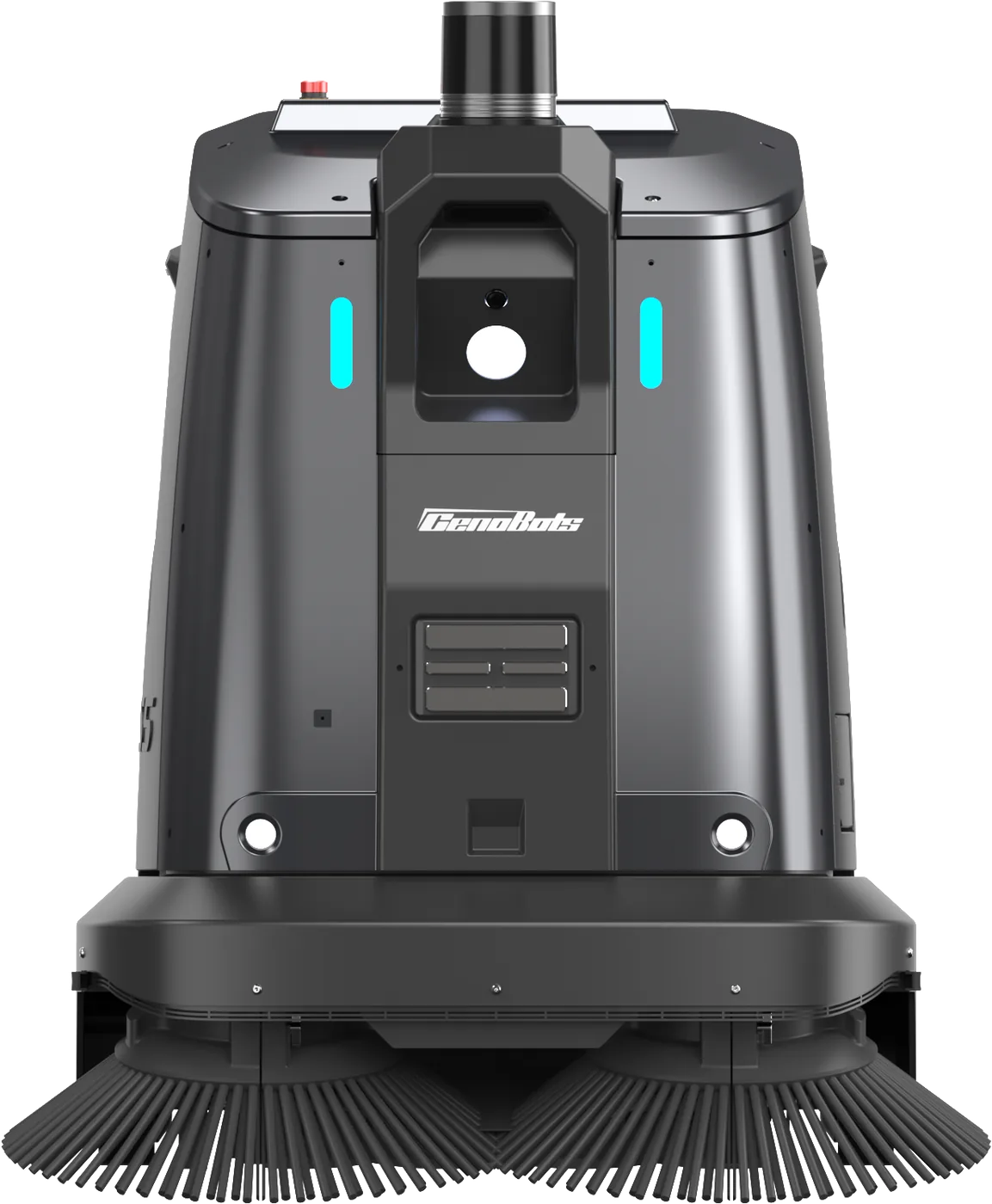
If your floor plate is genuinely large and open, the CenoBots S5 is the bigger machine with an 820 mm sweep and 50 L hopper, and we will recommend it where it fits better. If the mess is spills and grime rather than litter and dust, you want a scrubber like the CC1 Pro. We are multi-OEM precisely so that recommendation can be honest.

Why Perth Robots

Honest credibility, not just claims.

Engineering-led.

Built by someone who has engineered advanced systems and operated them in demanding environments. We know what these machines can and can't do.

WA-based service, not a reseller.

We deploy and service every unit ourselves across WA. If a robot's down at 2am on a mine site, that's on us, in the same time zone.

Multi-OEM, honest advice.

We recommend the right robot for your site, not the only one we carry.

Low-risk by design.

RaaS is a flat monthly subscription, not a capital gamble. The risk sits with us, and you run the robot as often as you need.

FAQ

Common buyer questions.

What sort of mess is the MT1 built for?
Dry debris, across a wide size range. The dual-disc brushes handle bulky items like bottles, cans, leaves and packaging offcuts, and the same pass picks up fine dust. It is a sweeper, not a scrubber, so it does not wash floors. If your problem is spills and grime rather than litter and dust, you want the CC1 Pro instead.
What is AI trash recognition and does it matter?
The MT1's cameras identify rubbish on the floor in real time rather than just sweeping a fixed pattern and hoping. It matters because it enables spot cleaning: the robot can patrol a large area, find the litter, and go clean it at up to 6,000 m²/h instead of running a full 1,800 m²/h coverage pass to deal with a few dropped items.
How is that different from a normal sweeper?
A conventional sweeper runs the same route whether the floor is filthy or spotless. The MT1 runs full coverage on a schedule and then patrols between those passes, dealing with what actually appears. On a big floor with intermittent mess, that difference is the whole business case, because most of the floor does not need cleaning most of the time.
How big an area can one MT1 handle?
It sweeps up to 1,800 m²/h on standard coverage and runs 4 to 8 hours between charges, with under 3 hours to recharge. With automated docking it can complete several cycles a day, so a single unit covers a substantial warehouse or public floor. We size this properly at survey rather than quoting a theoretical maximum.
Will it fit down our aisles?
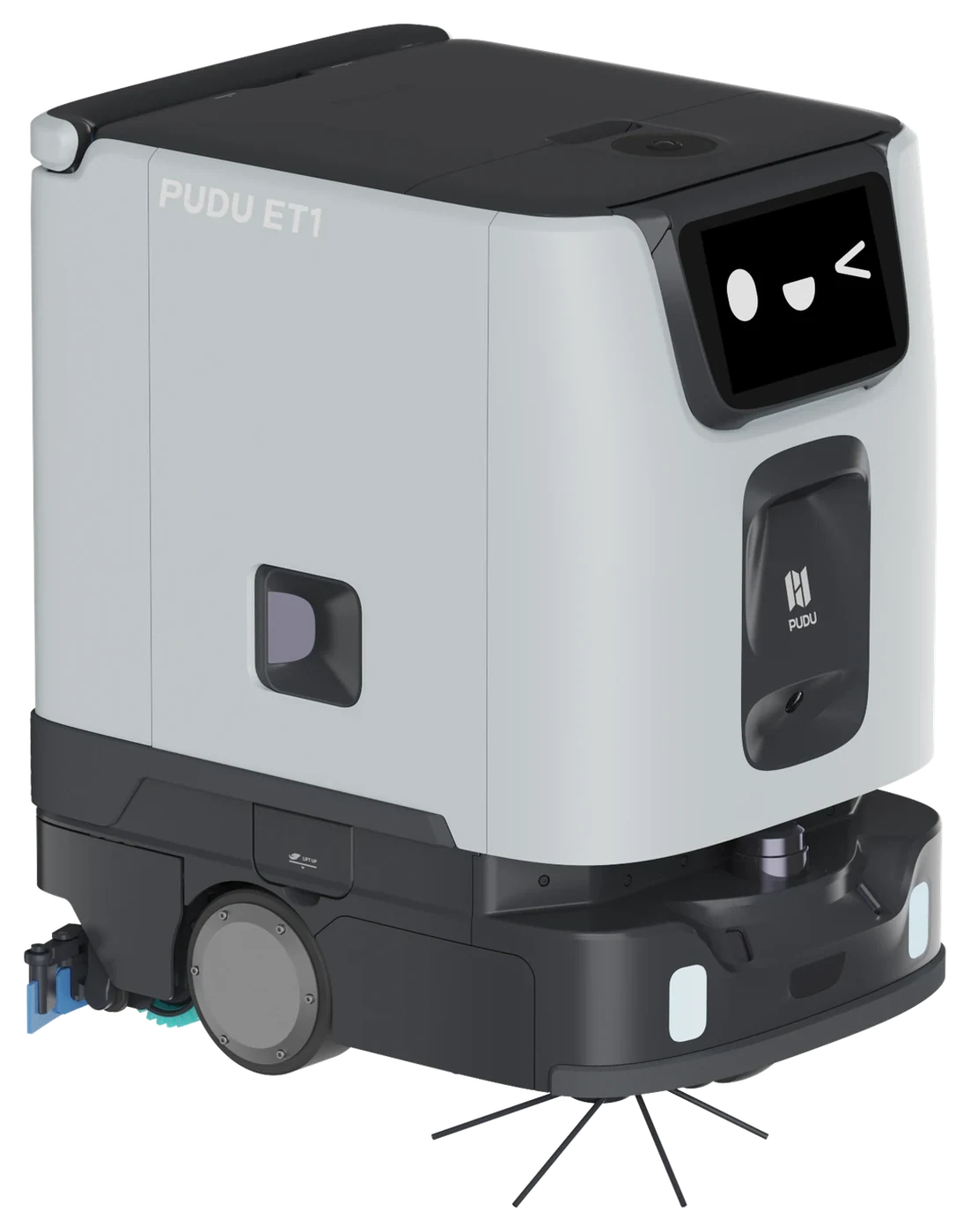
The MT1 needs 75 cm of clearance and sweeps a 70 cm path. The machine is 840 mm long, 600 mm wide and 490 mm tall, which is low enough to work under racking overhangs and conveyors that stop taller machines. For anything tighter, look at the compact ET1.
Does it make dust worse while it sweeps?
No. The MT1 has active dust control, which is the feature that separates a commercial sweeper from a large domestic one. Without it, sweeping a dusty industrial floor lifts fine particulate into the air and it settles again an hour later, which is a real problem in food handling, warehousing and any site with air-quality obligations.
How often does someone have to empty it?
The bin holds 35 L, which is large for a machine this size and is the number that decides how often a person is involved. On a typical warehouse floor that is a daily or every-other-day job rather than something interrupting every run. The app flags it when the bin is getting full.
How is this different from the CenoBots S5?
The S5 is the bigger industrial machine: 820 mm sweep, 50 L hopper, around 2,500 m²/h, built for large continuous floor plates. The MT1 is more compact and more agile, with a 75 cm clearance that gets into areas the S5 cannot, plus AI trash recognition for patrol work. Large open warehouse, take the S5. Mixed commercial and light-industrial with tighter access, take the MT1.
How do we pay for it?
Three ways, your choice. Robot as a Service is a flat monthly subscription from $50 a day covering hardware, servicing, support and software. You can also buy outright with an optional Care Plan, or take a 2 to 4 year lease, with the option to own the unit at the end of the term.
Take the next step

See the MT1 working at a site like yours.

Send us your floor area, aisle widths and the sort of debris you deal with. We'll come back inside one business day with an indicative quote and a survey date.

Call us
Related

Different mess? Different robot.

The MT1 sweeps dry debris. If the floor needs water, or the site is bigger or tighter, one of these is the better answer.