
Your course, mowed by robots. Your crew, back on the greens.
Reel-cut fairways, roughs, surrounds and the range, mowed autonomously overnight and managed from one dashboard, with the whole system supplied, mapped and serviced from Perth. This is how a WA club answers the greenkeeper shortage.
You cannot hire your way out of the greenkeeping shortage.
Turf trades are in documented national shortage, the industry association is lobbying government about it, and every club committee has watched the same cycle: a good greenkeeper leaves, the ad runs for months, and the crew that remains spends its best hours sitting on mowers instead of working greens, bunkers and turf health.
The mowing itself is the most automatable work on the course. Fairways, roughs, surrounds and the range are repetitive, pattern-based and measured in hectares: exactly what autonomous mowers are built for. The skilled work, the greens craft and course presentation your members actually notice, is exactly what they are not built for. That is the point. The robots take the hours; your people take the course.
One robot for every zone. One dashboard over all of them.
This is a system, not a mower purchase. Each zone of the course gets the unit built for it, every unit navigates by centimetre-level RTK from one base station, and the GreenMaster platform runs schedules, zones and reporting across the lot.
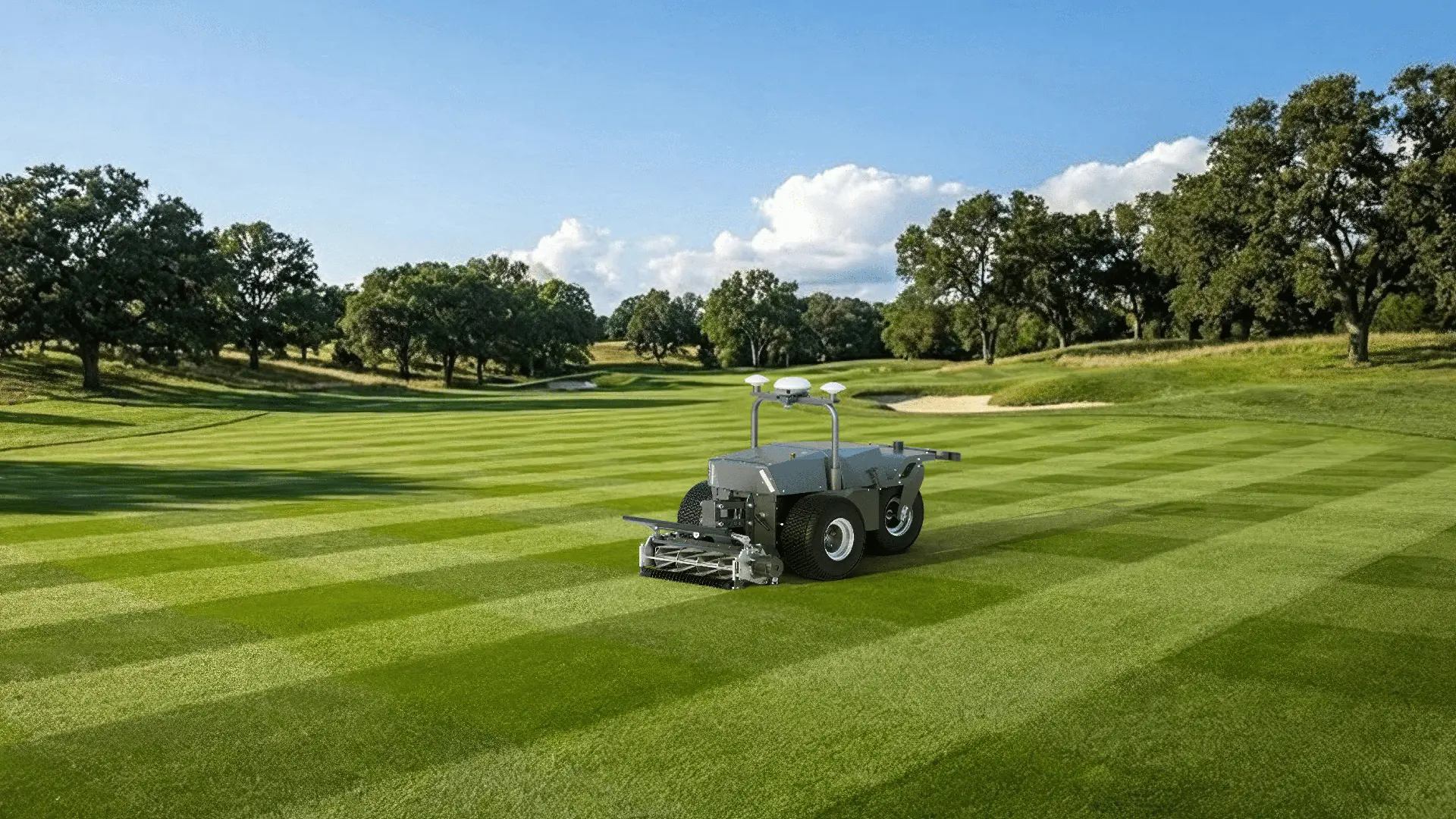
FJD RCM01 · robotic reel mower
A true 8-blade cylinder cut from 7 mm, with customisable striping and a floating reel that follows the contour. Covers 3,000 m² an hour for up to 10 hours a run.
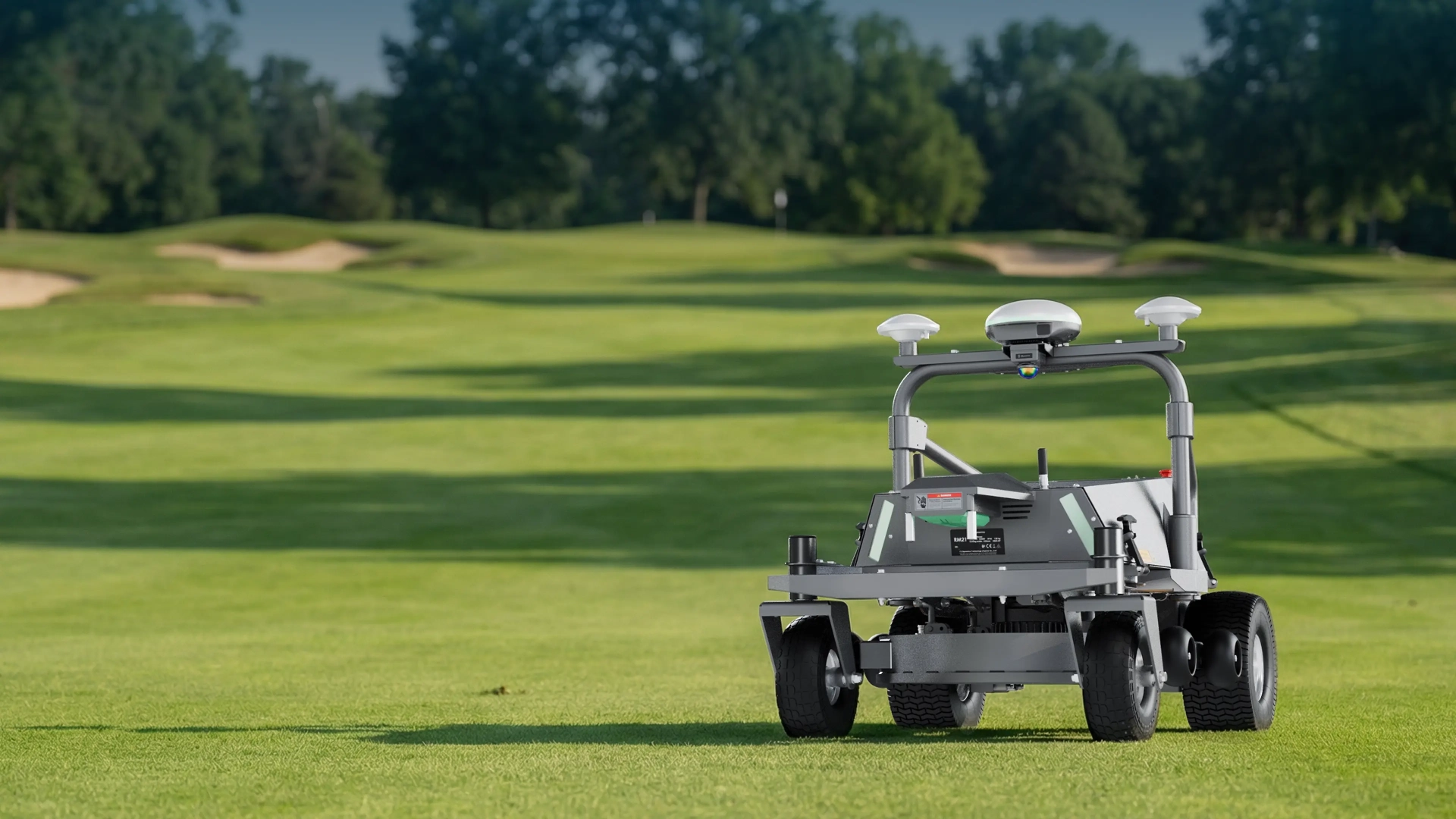
FJD RM21 · multi-function platform
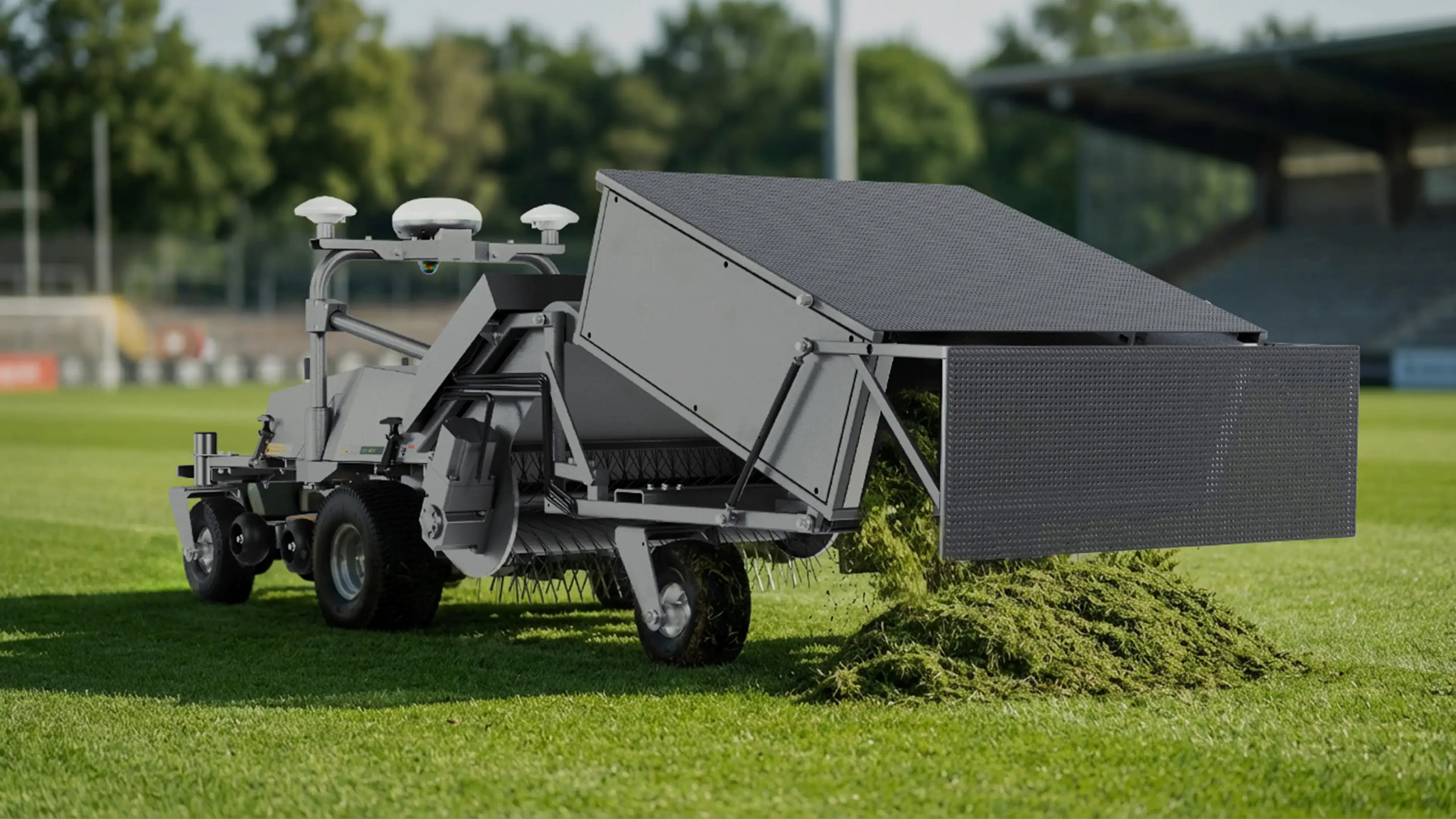
Cuts 20 to 127 mm with 360-degree LiDAR that keeps working under tree canopy, and takes attachments: dew brush, grass collector, line marker, ball picker.
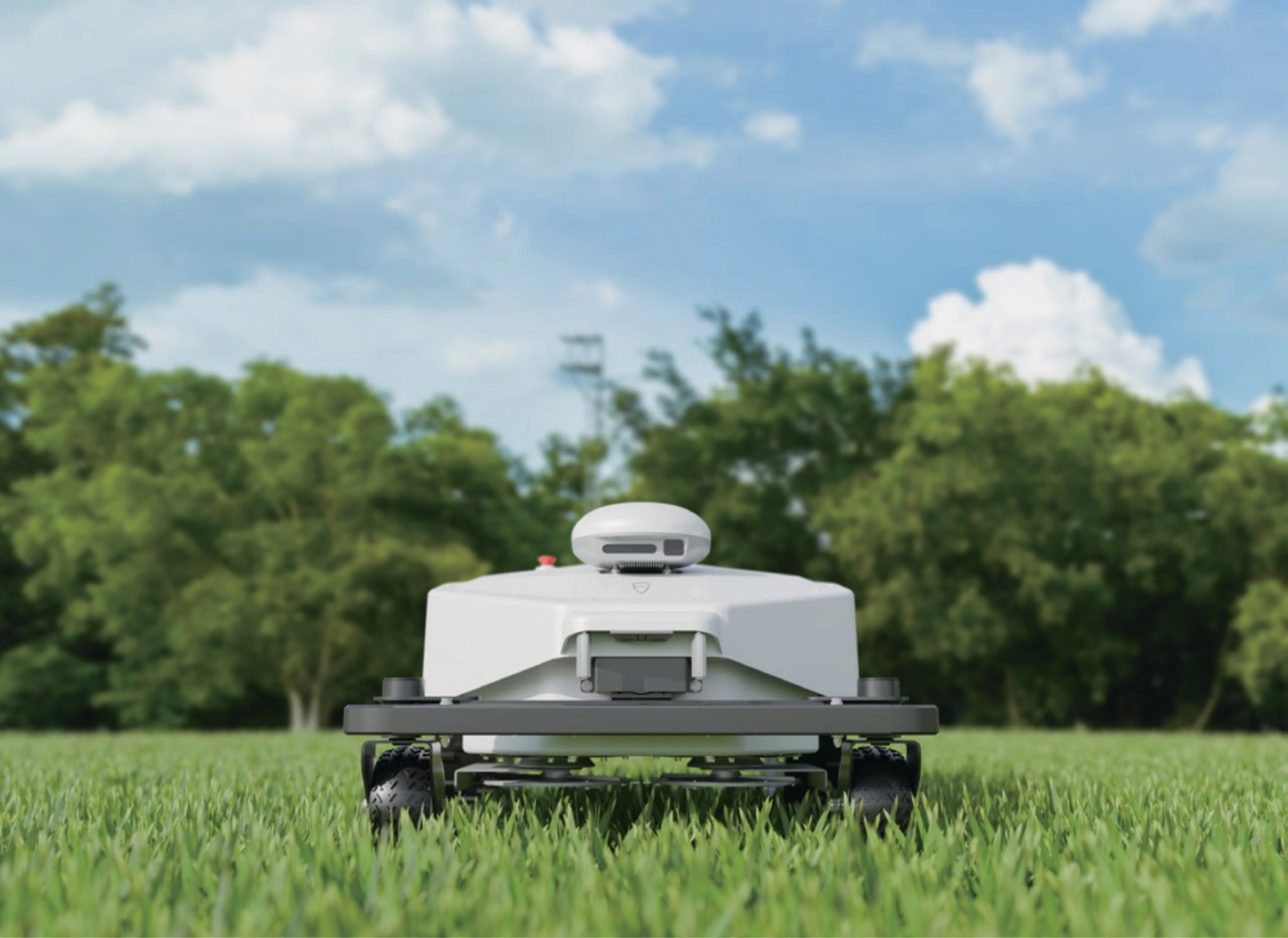
FJD FRX · the steep-terrain unit
Works slopes to 25 degrees with a 10 to 100 mm height range, so mounds, banks and dam walls stop being a whipper-snipper job.
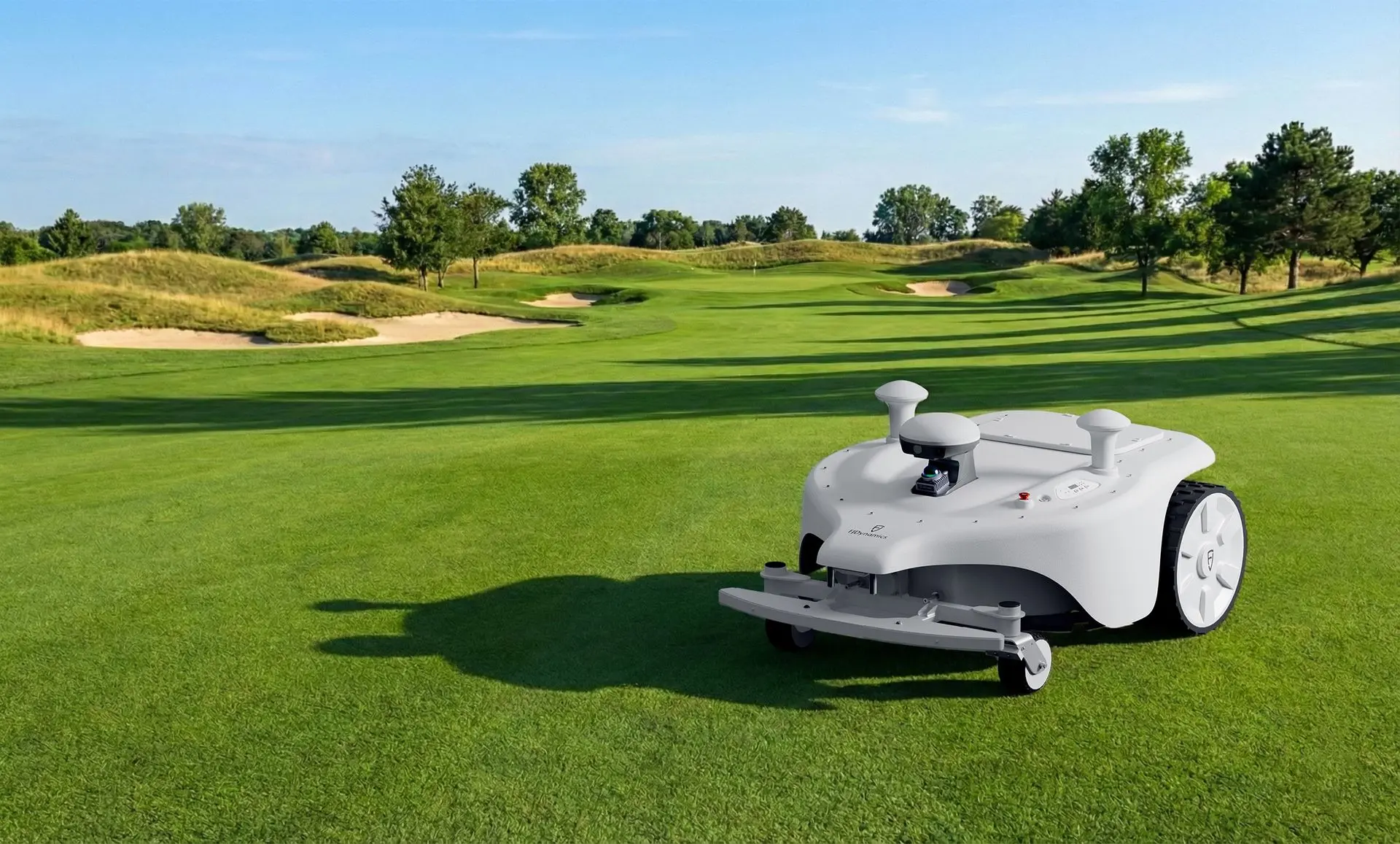
FJD Titan · the large-area unit
A 730 mm cut and 108,000 m² per 72 hours on auto-charging, with the fullest sensor stack in the range: dual RTK, LiDAR and vision.
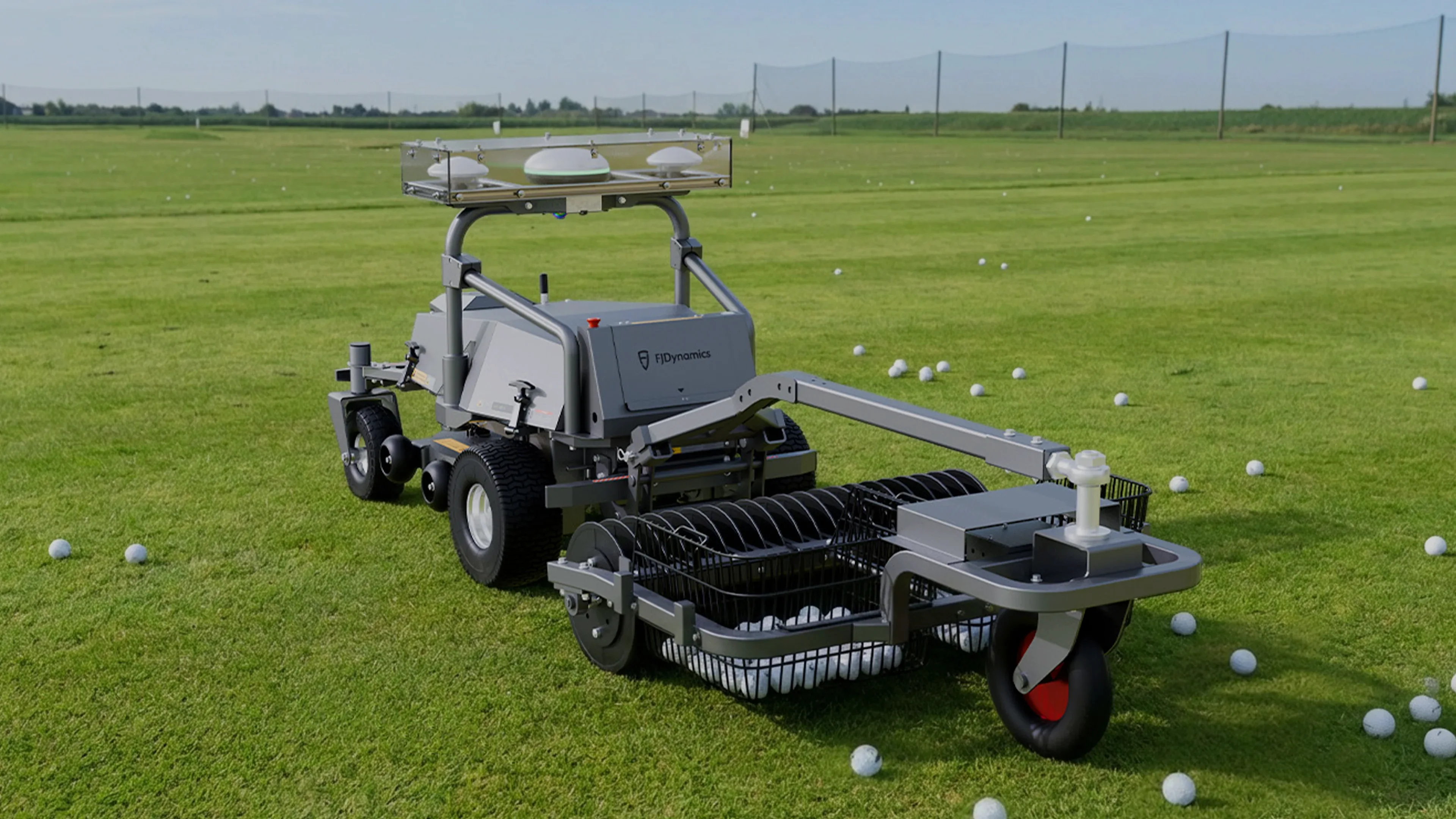
Range duty · mow and collect
The RM21's ball-picker attachment collects while the range sleeps, so the morning crew is not dodging the ball washer queue or the 7 am corporate clinic.
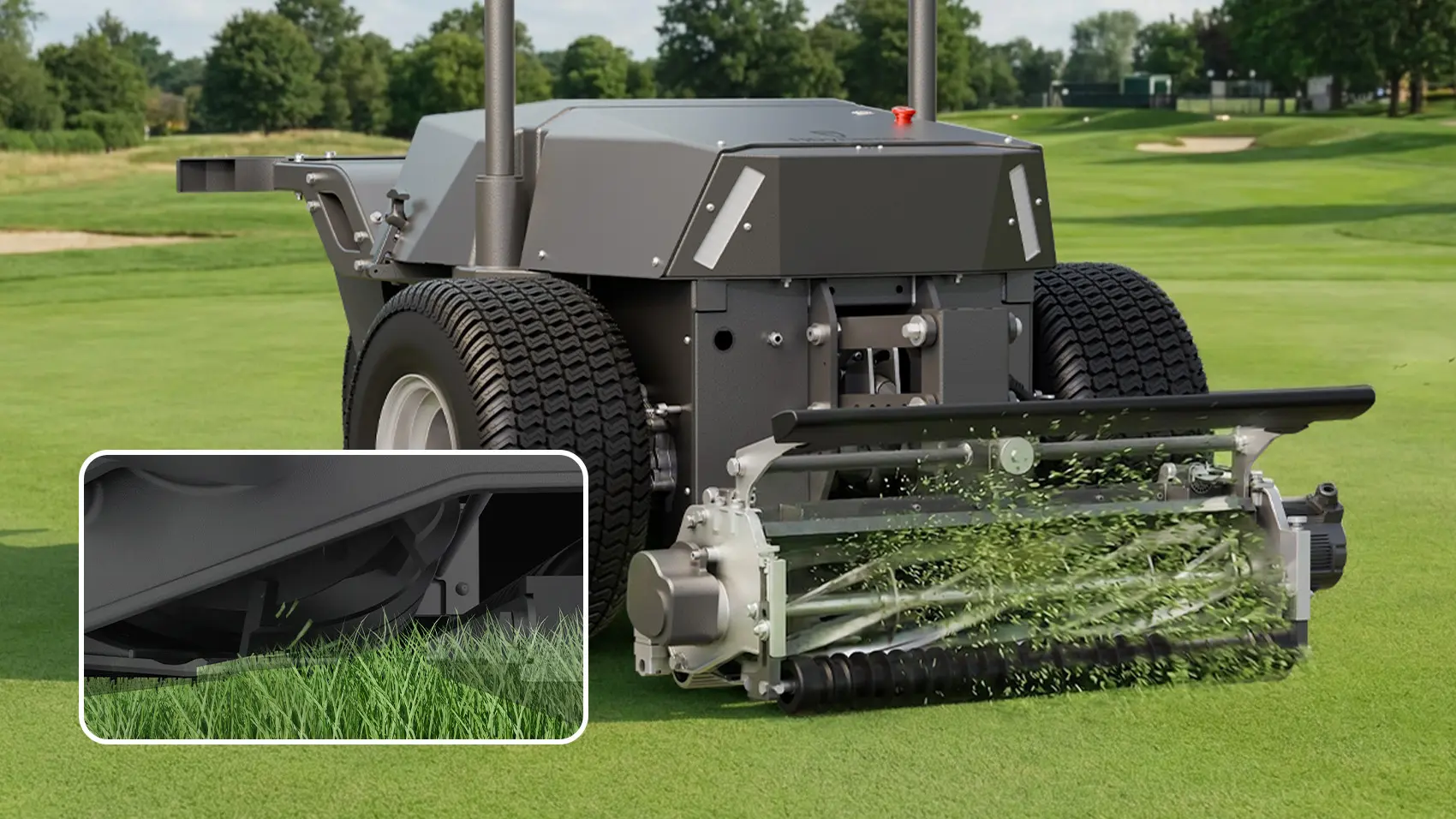
GM22S walk-behind & MS100 auto-steer
Greens stay human. FJD backs your crew with an electric walk-behind greens mower and an auto-steer retrofit for 3- and 5-gang mowers. Guided, not autonomous, and we say so plainly.
- One RTK base station covers the whole course: every unit shares the same centimetre-level positioning.
- One GreenMaster dashboard runs zones, schedules and live tracking across every robot on the course.
- GolfMind builds a scanned digital twin of the course: contours, trees, irrigation assets and no-go zones. FJD reports it cuts manual course checks by half.
- Blades, parts, servicing and monitoring handled from Perth, with remote diagnostics between visits.
What a robotic night shift looks like.
Fairways begin
The RCM01 leaves its parking point and starts the back nine at under 75 dB. No lights needed, no operator, striping to the pattern in the plan.
Roughs and semi-rough
The RM21 works the carries and rough lines, LiDAR handling the tree lines where satellite signal thins out.
Surrounds and banks
The FRX takes the mounds and steep faces at heights the gang mower never could, while the Titan crosses the practice fairway.
Range collection and dew
Ball picker sweeps the range. Dew brush runs the fairways ahead of play so the first groups see stripes, not streaks.
Docked, charged, logged
Every run is on the dashboard: area cut, heights, exceptions. Your superintendent reads it with the first coffee.
Your crew, on the craft
Greens, pins, bunkers, detail. The skilled work happens in daylight because nobody spent dawn on a fairway mower.
First tee
Members walk onto a course that was mowed while they slept. Every day, not just tournament week.
Scan it. Plan it. Start with three holes.
The deployment is engineered, not guessed. These are the actual FJD workflow tools we run on your course.
Scan the course
A LiDAR course scan captures fairway edges, contours, trees and assets into a reusable digital map, alongside the RTK and tree-cover survey.
Build the digital twin
GolfMind turns the scan into a 3D course model: mowing zones, heights, no-go areas and schedules, agreed with your superintendent before a blade turns.
Dispatch from one dashboard
GreenMaster runs the fleet: routes, schedules, live status and logged results across every unit, visible to the club, run by us.
Start with three holes, scale on evidence
The system is modular in blocks of three holes, so the club trials it on real turf with a contained footprint. Measure the cut, the presentation and the crew hours freed, then extend the same base station, twin and dashboard to nine, eighteen or twenty-seven. The trial infrastructure carries straight over: nothing is thrown away when you scale.
The system, filmed on real courses.
RM21 + FRX: the golf course solution
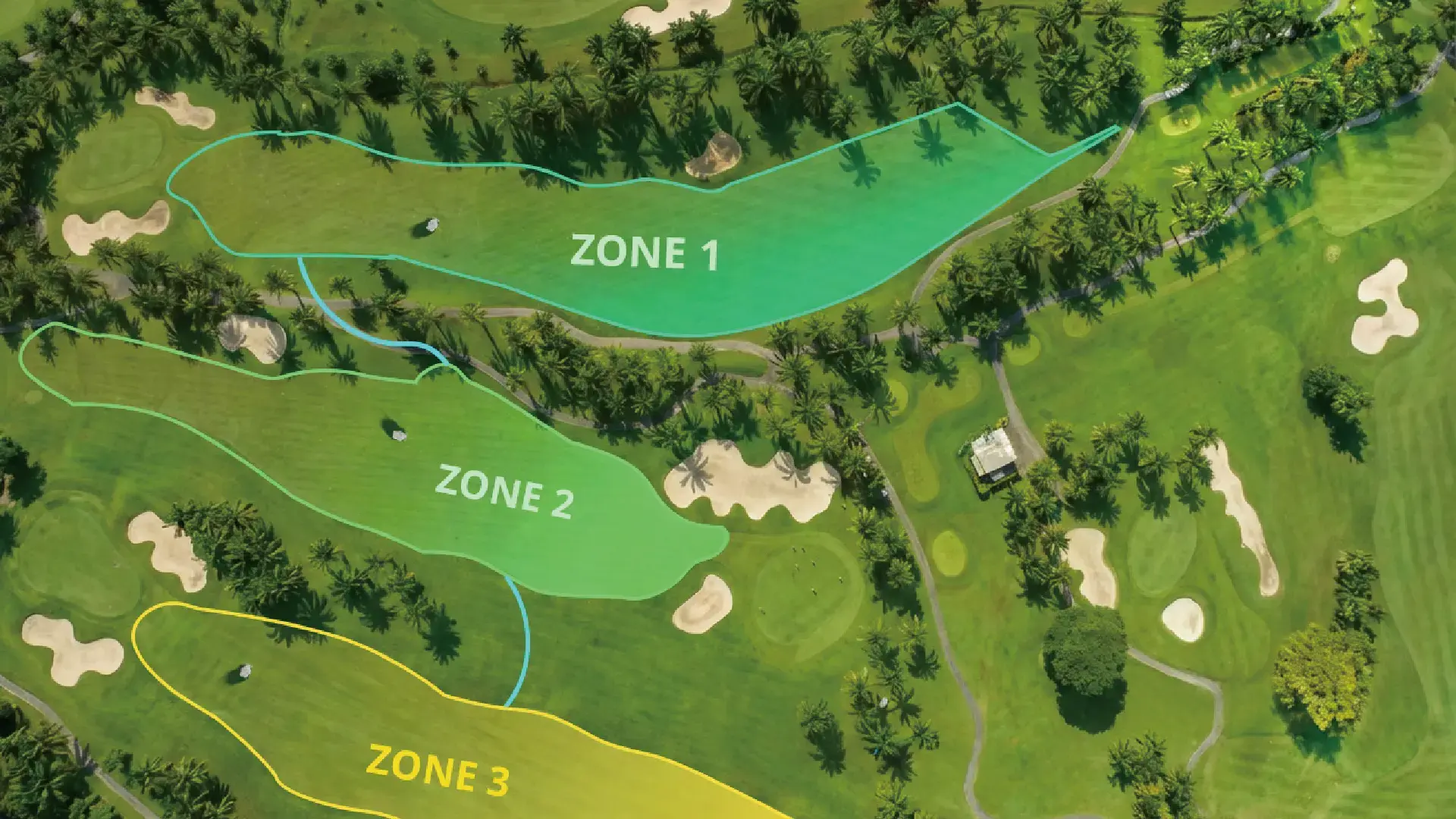 Meet FJD GolfMind
Robots are already mowing golf courses. Just not in WA yet.
FJ Dynamics publishes golf-course deployments of this system in Poland, Sweden and Japan, running fairway and rough programmes on courses with real winters, real trees and real members. In Australia, a Queensland club has publicly trialled FJD mowers, and Australian clubs on other platforms have already replaced their fairway mowers with robots. The category is proven; WA is simply unserved.
FJ Dynamics is not a lawn-gadget brand. Founded in 2017 by a former DJI chief scientist and backed by Tencent, it is one of the world's largest suppliers of agricultural auto-navigation systems, with FJD reporting more than 200,000 units sold across 140-plus countries and a 24-month warranty with lifetime software updates through authorised channels. The mowers inherit RTK autonomy proven at farm scale, and we supply and service them across WA from Perth.
Commercially, it works the way our cleaning fleet works: Robotics as a Service with blades, software, monitoring and service on one predictable rate, or lease-to-own, or outright purchase with a Care Plan. Every course is scoped per site after the scan, module by module, and if the numbers do not stack up for your course, we will tell you.
What we will not pretend
The robots do not cut greens autonomously, they do not rake bunkers, and they do not replace a superintendent's judgement. Greens support is operator-driven: the GM22S walk-behind and the MS100 auto-steer retrofit assist your crew rather than replace it.
RTK positioning wants open sky, so heavily treed corridors are mapped at the scan and handled with LiDAR units or left to the crew. Operating windows are real: most units are rated to 45 degrees, the Titan to 55. And a course that mows twice a week with a happy, fully staffed crew may not need any of this. The scan and the numbers decide, and we show you both.
Straight answers for the committee meeting.
Are robotic mowers safe around members and play?
How loud are they at night, near houses?
Do the robots cut the greens?
What about trees and RTK signal on a tree-lined course?
Can they handle a WA summer, and wet winter fairways?
What happens if a robot is stolen or vandalised?
How do we start without betting the whole course?
Who installs and supports all this in WA?
Walk the course with us.
Bring your superintendent. We will walk the zones, flag the tree lines, scope the starting module and come back with the scan plan and the per-cut numbers for your course.
- WA-based service, not flown in from the east coast
- Three ways to pay: RaaS, outright or lease-to-own
- The right robot matched to your site, not whatever one brand sells
- Free site check, with an indicative quote within one business day
The rest of the system.
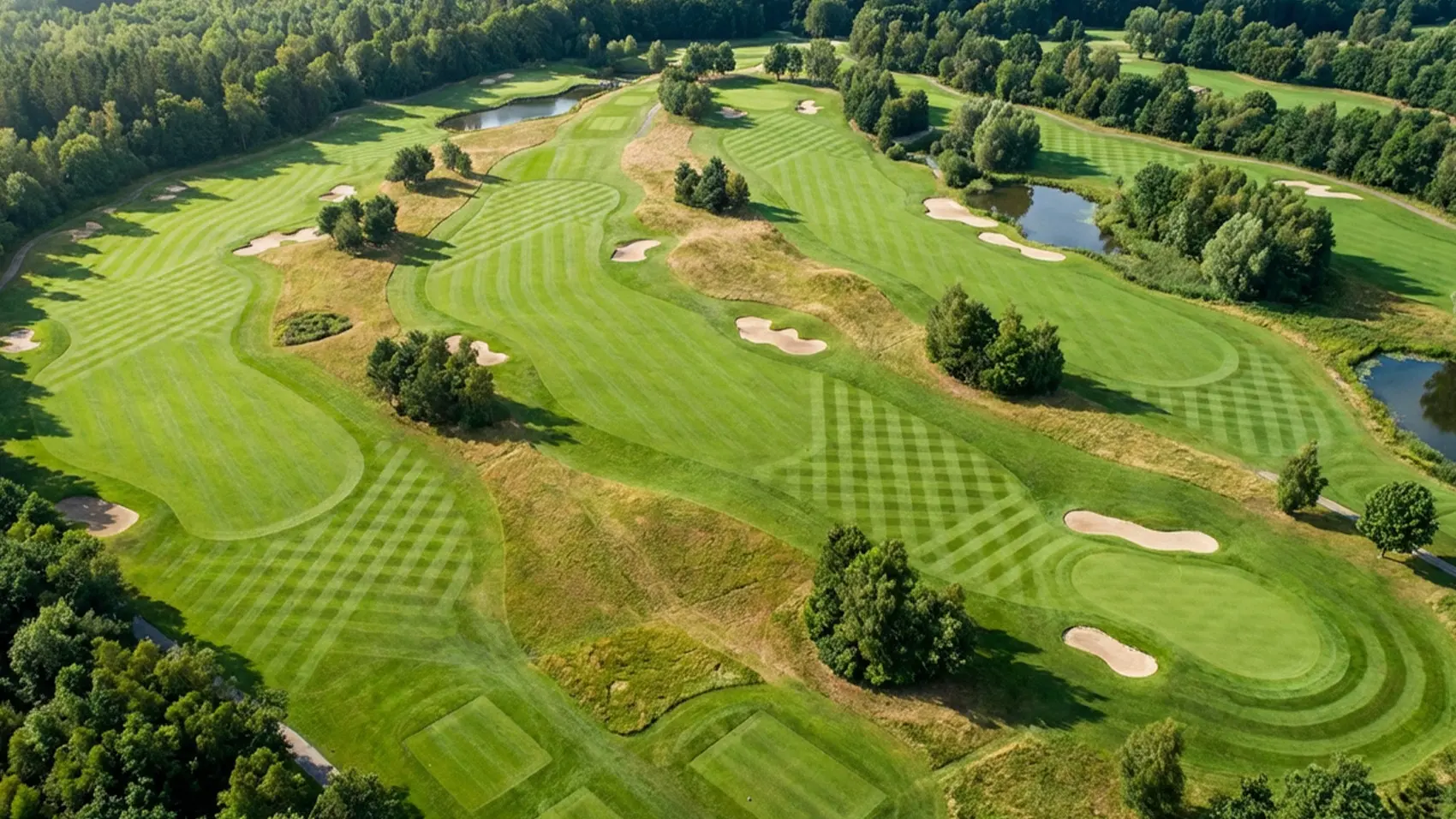
FJD RCM01
The full specification: reel, heights, runtime, striping and what it needs from a course.
FJD RM21
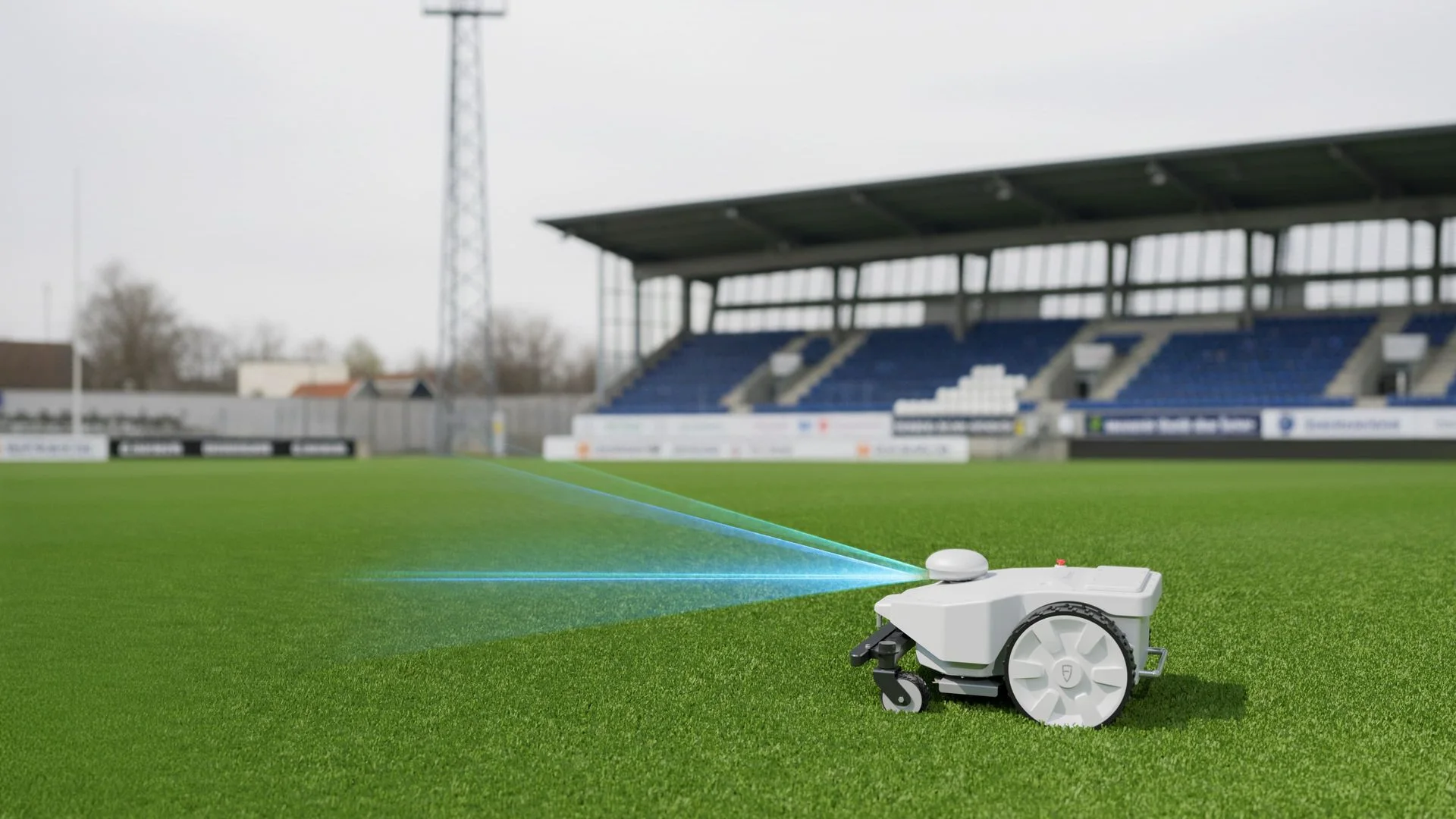
One chassis, four jobs: mowing, marking, collection and dew brushing for the club that wants one platform.
All landscaping robots
The full WA line-up for councils, schools, clubs and mining villages, side by side.